9.8Exceptional 2,195 reviews
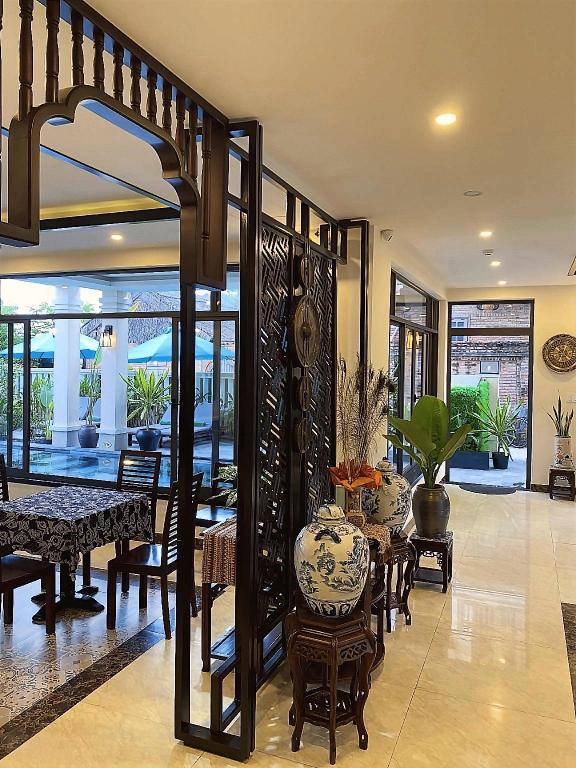
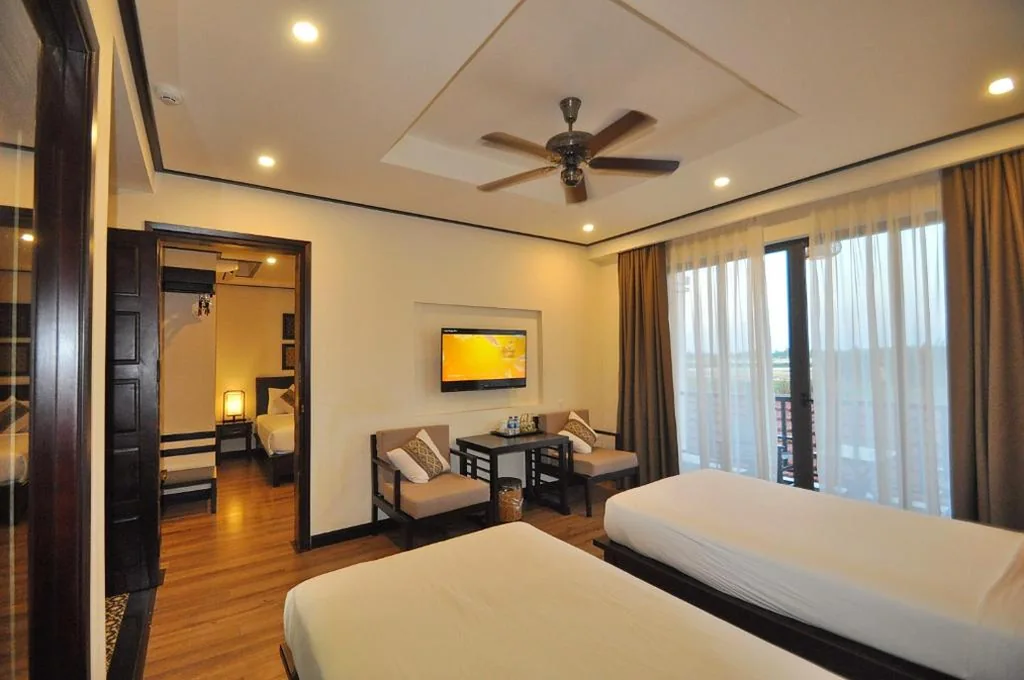
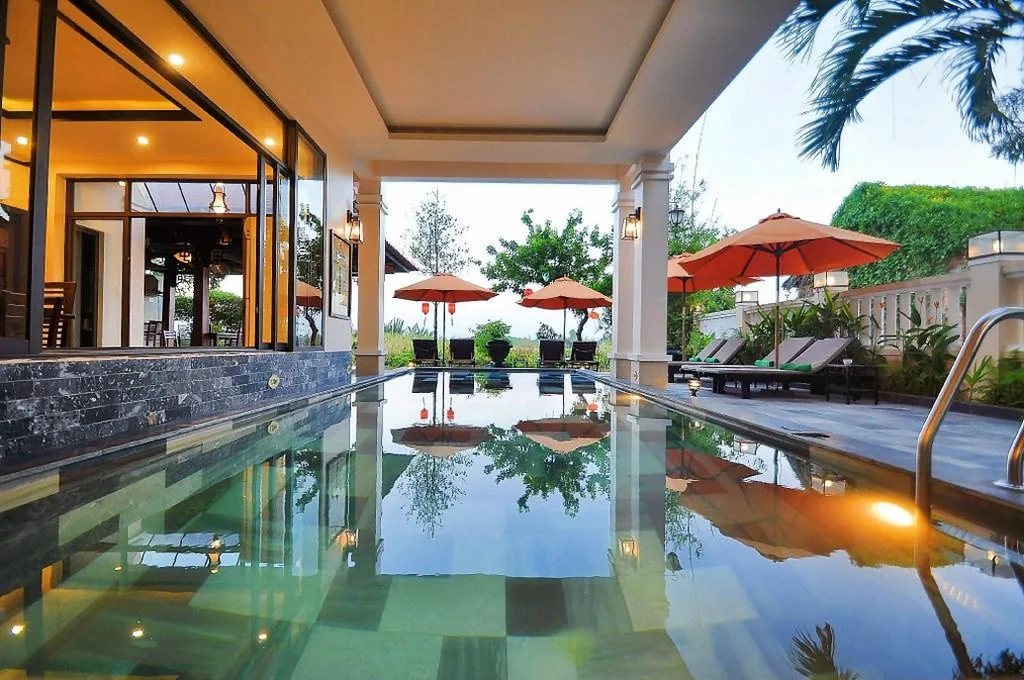
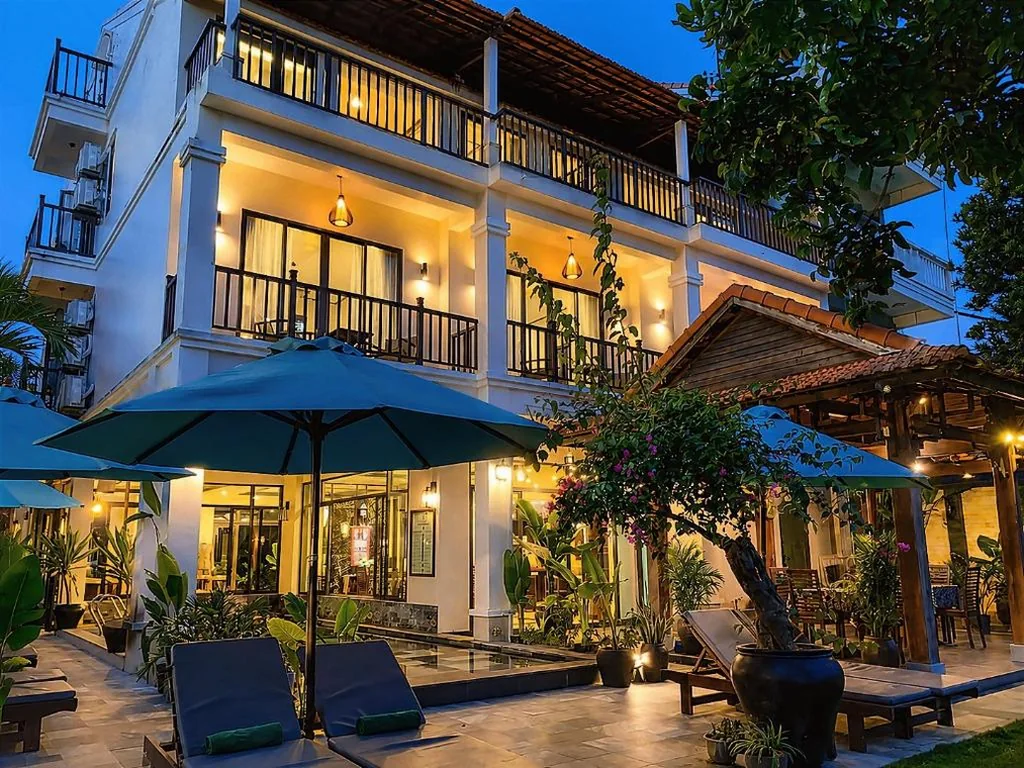
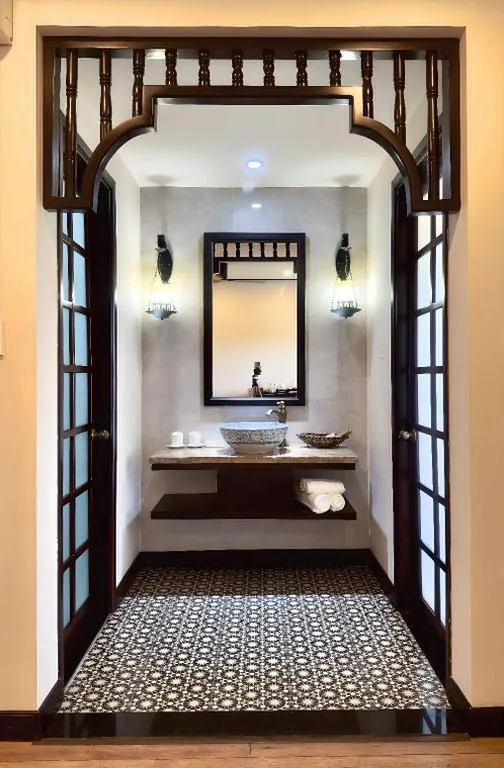
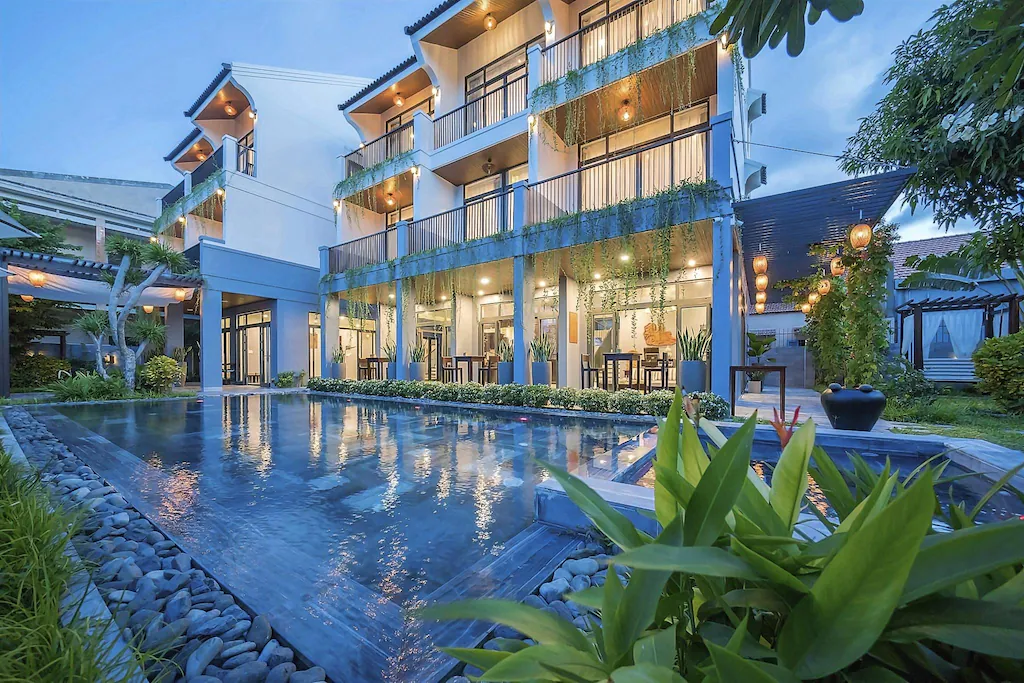
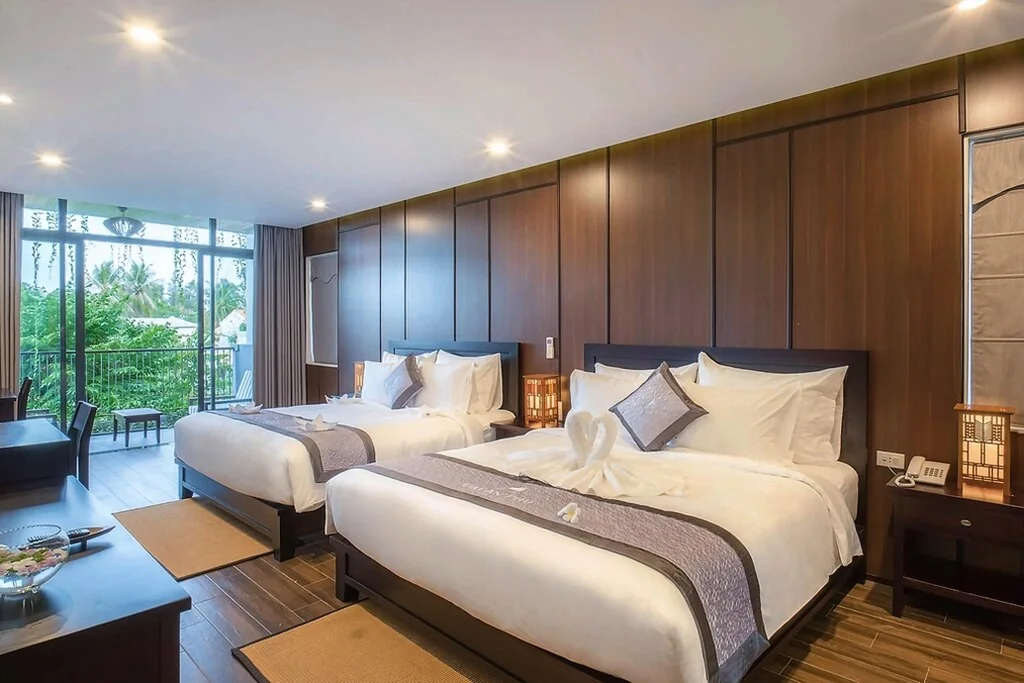
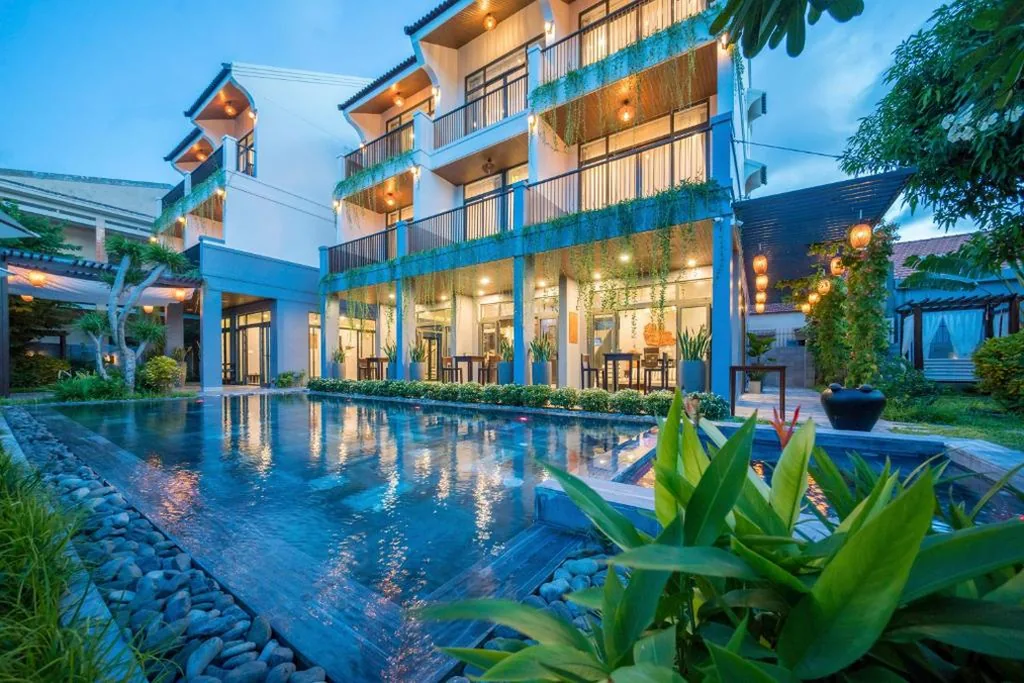
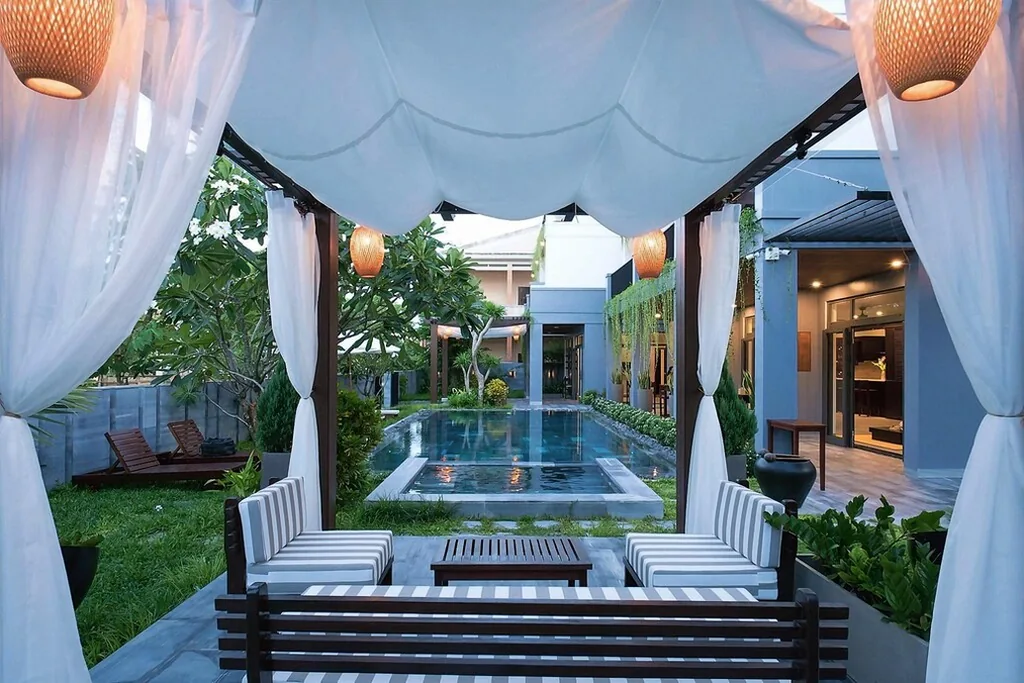
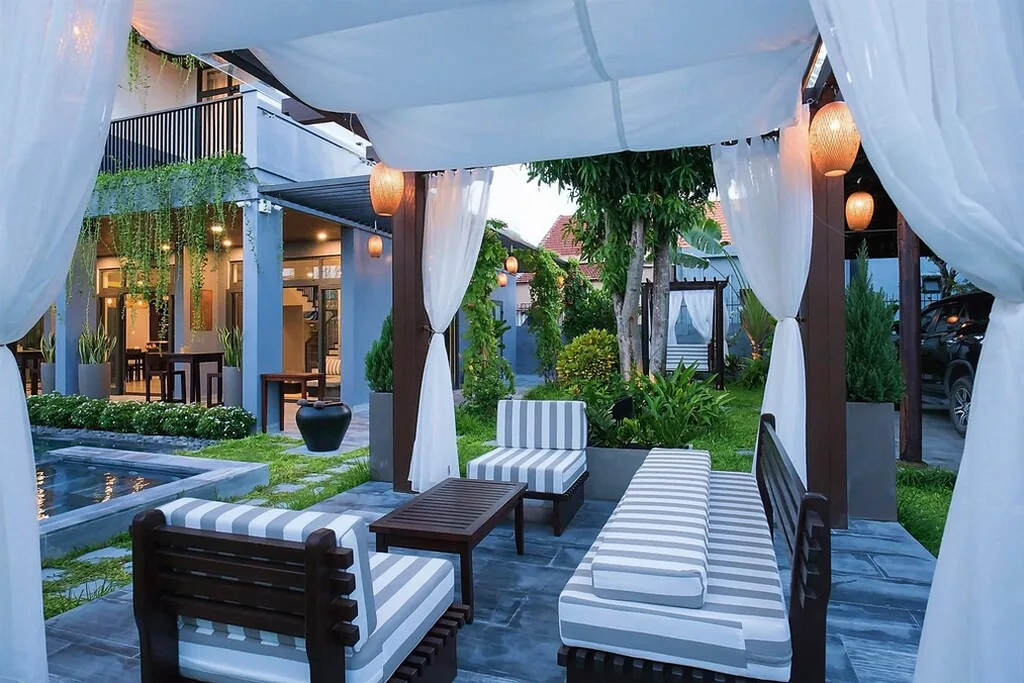
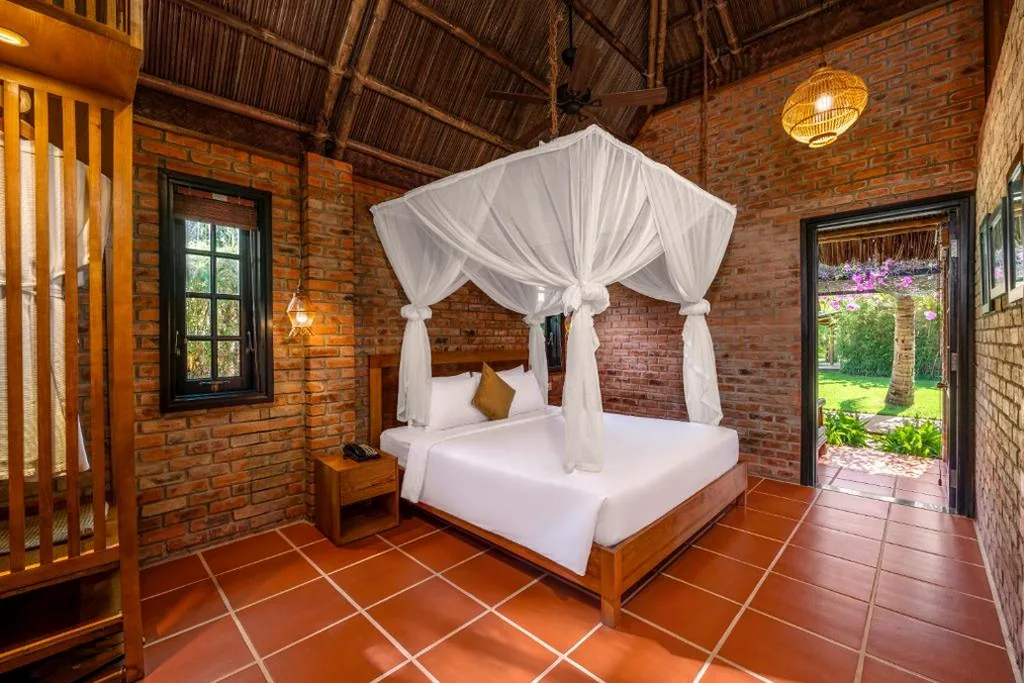
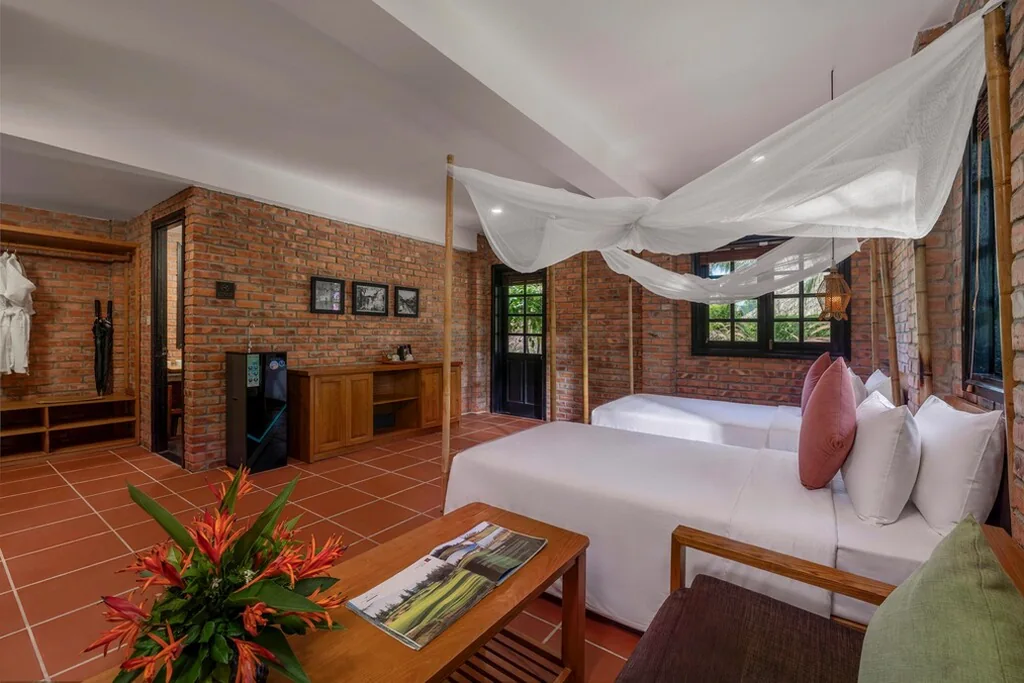
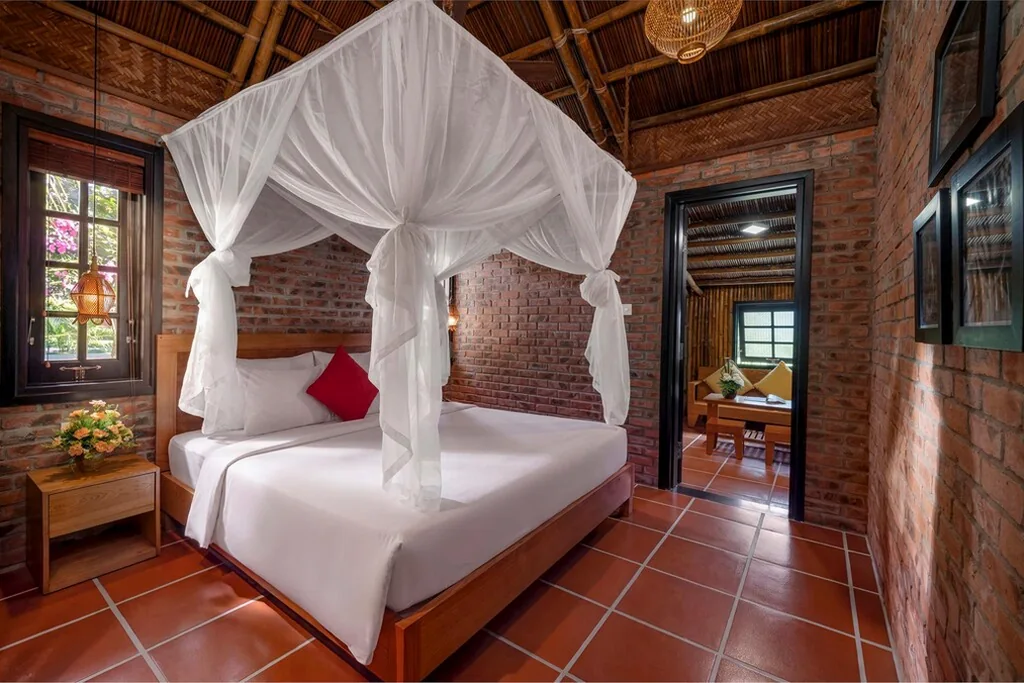
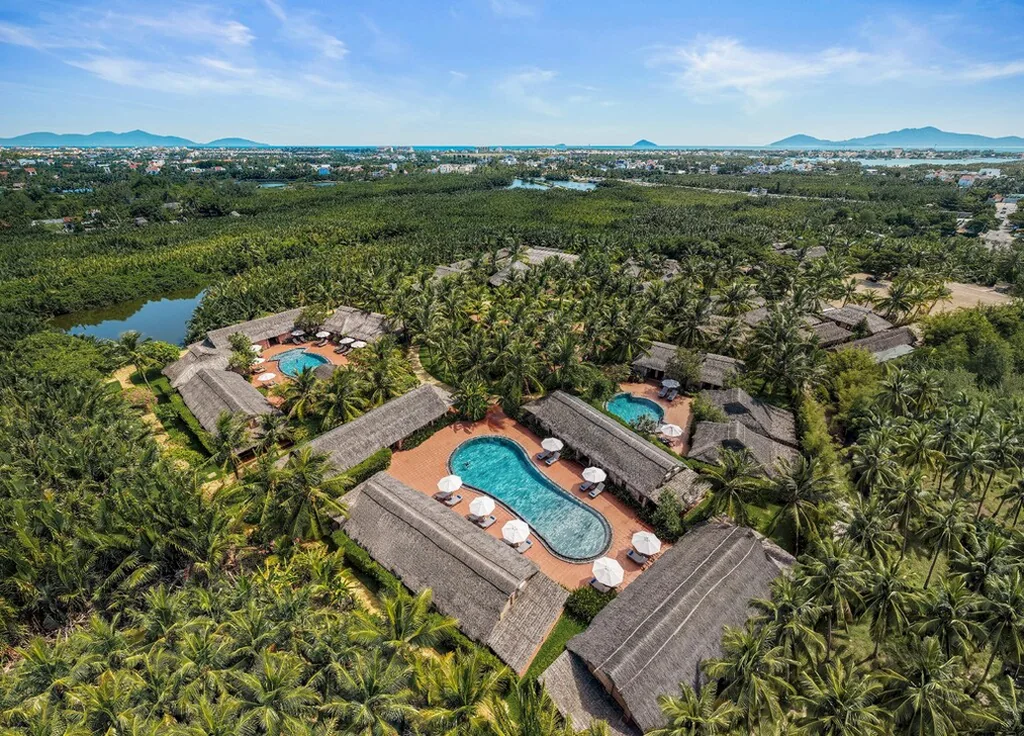
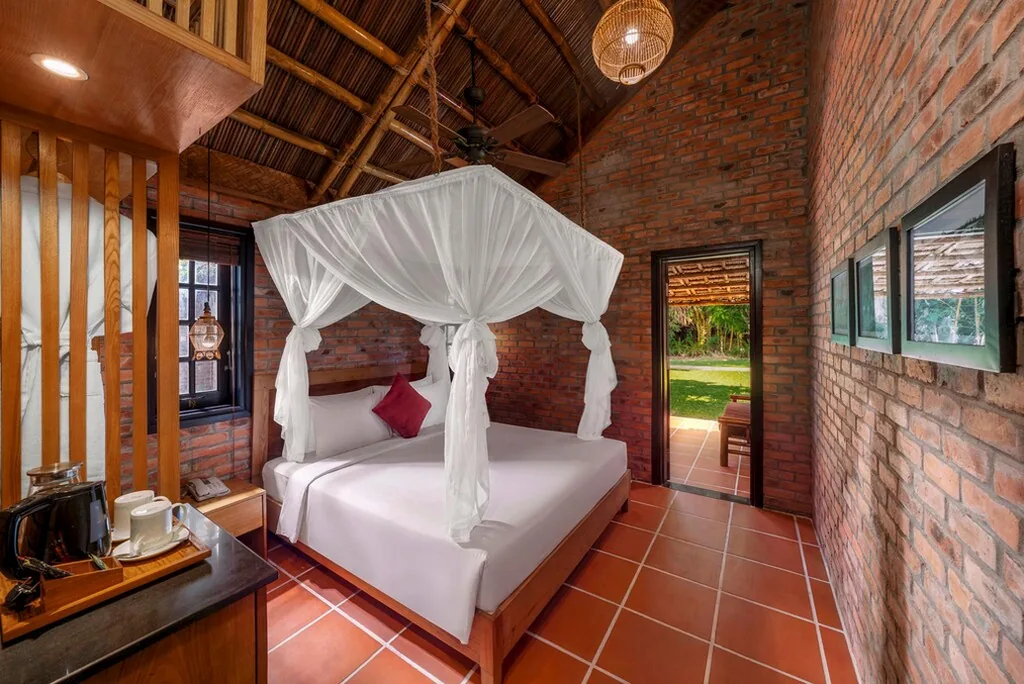
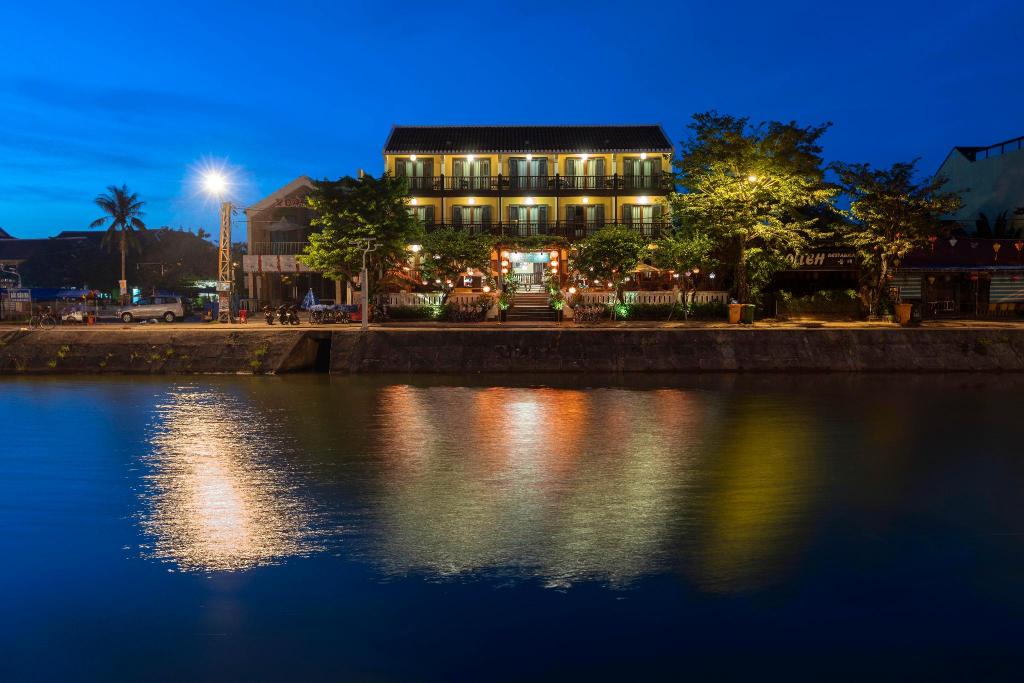
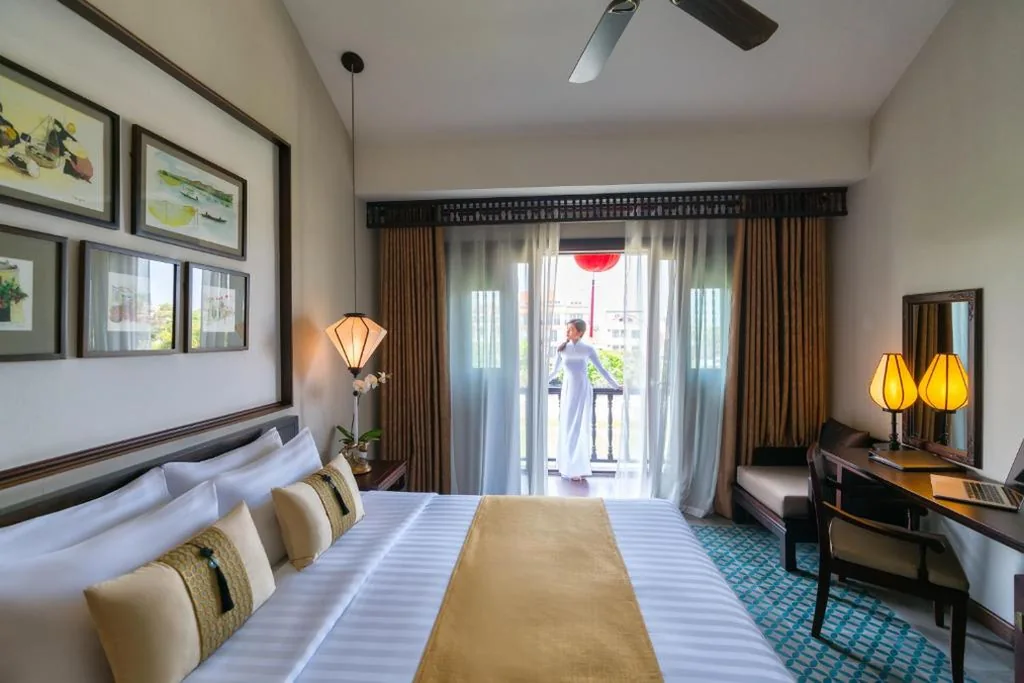
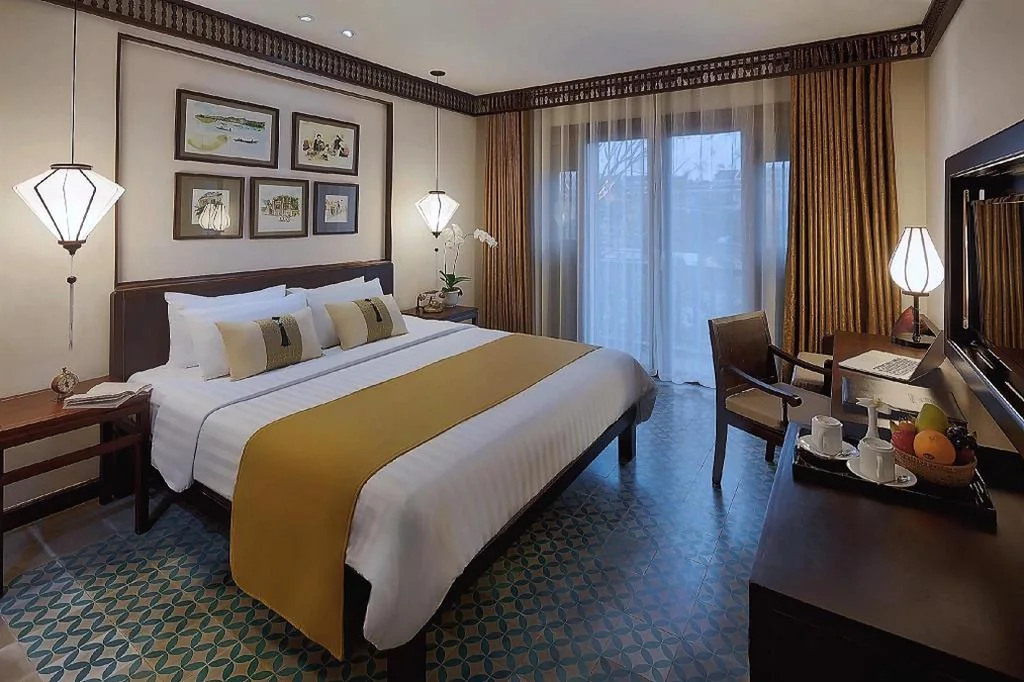
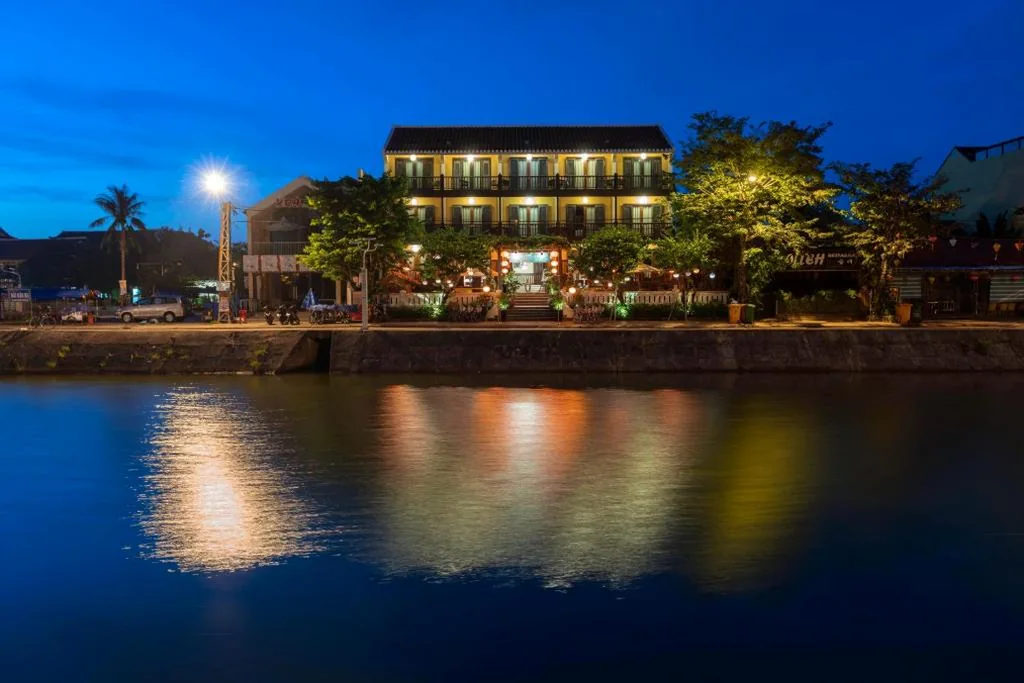
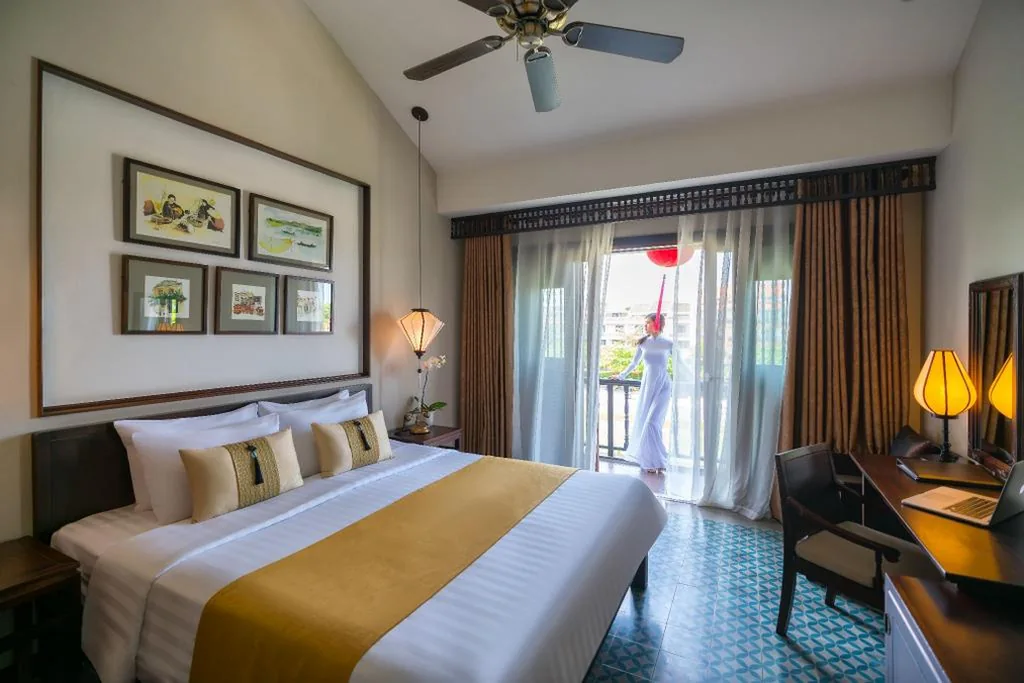
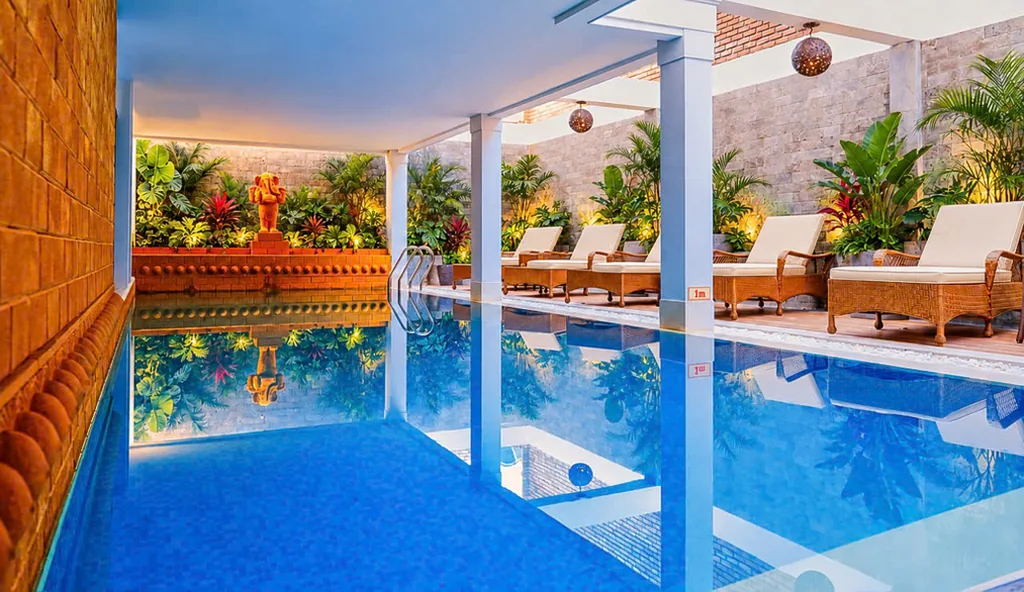
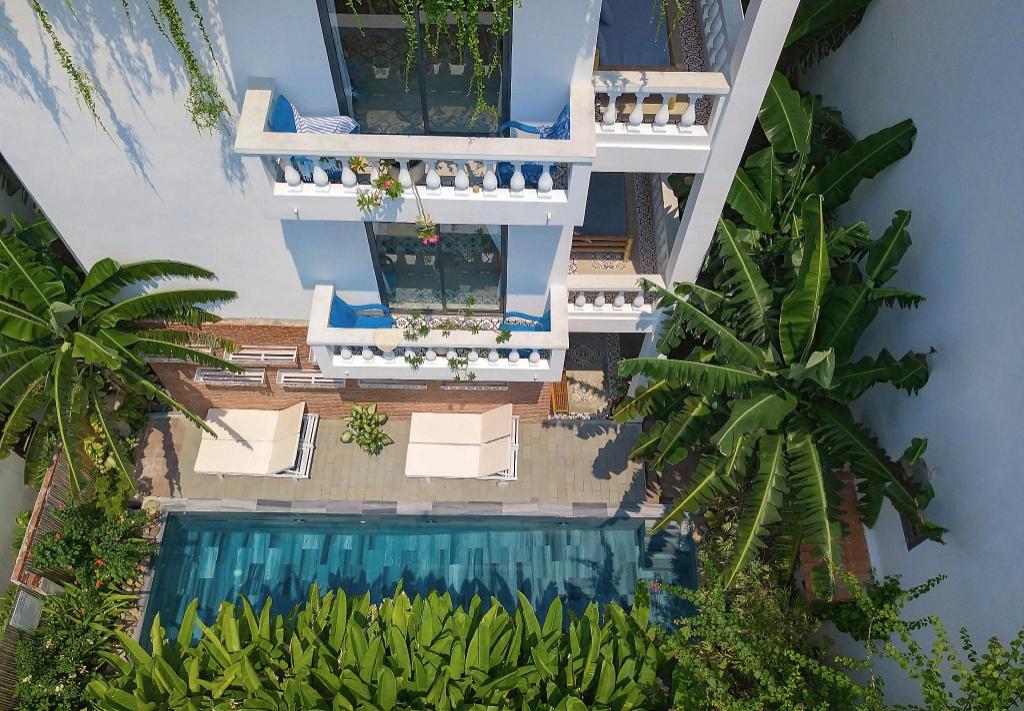
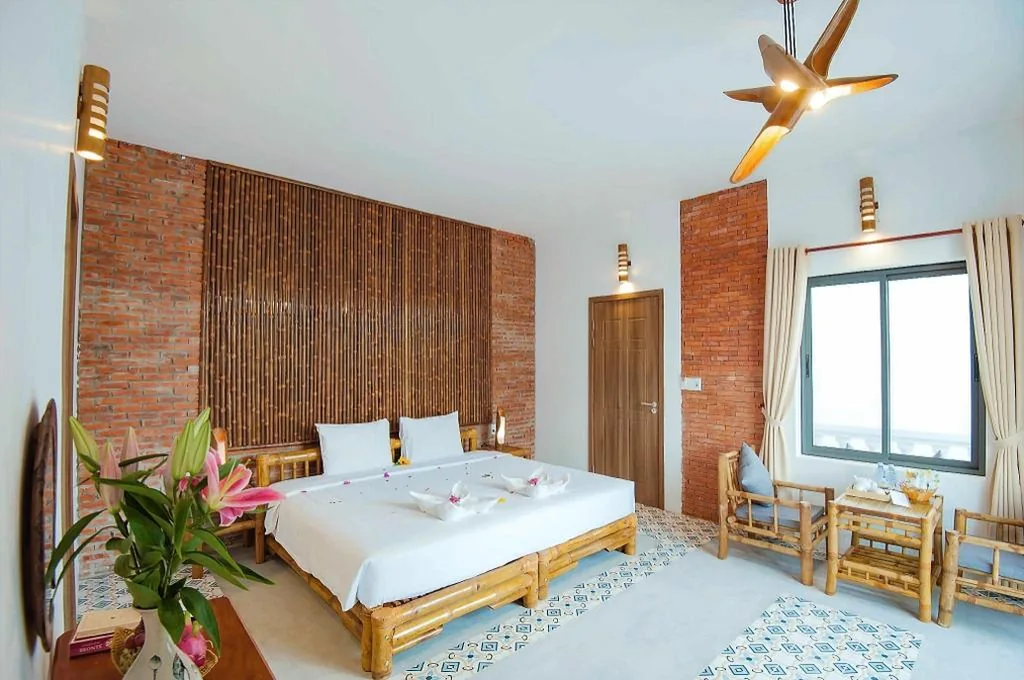
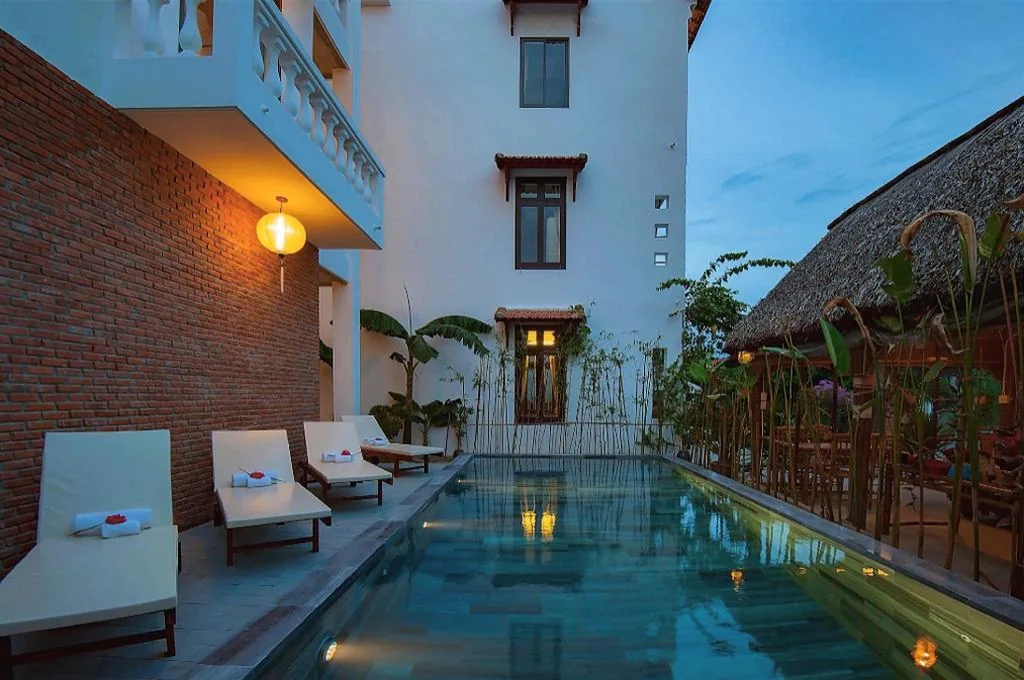
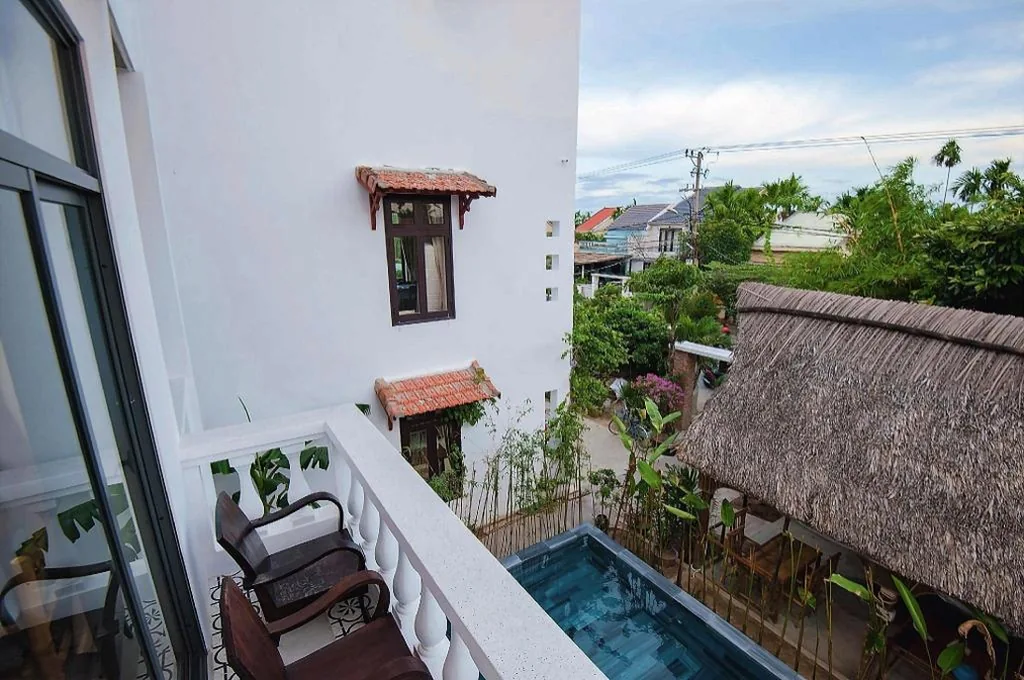
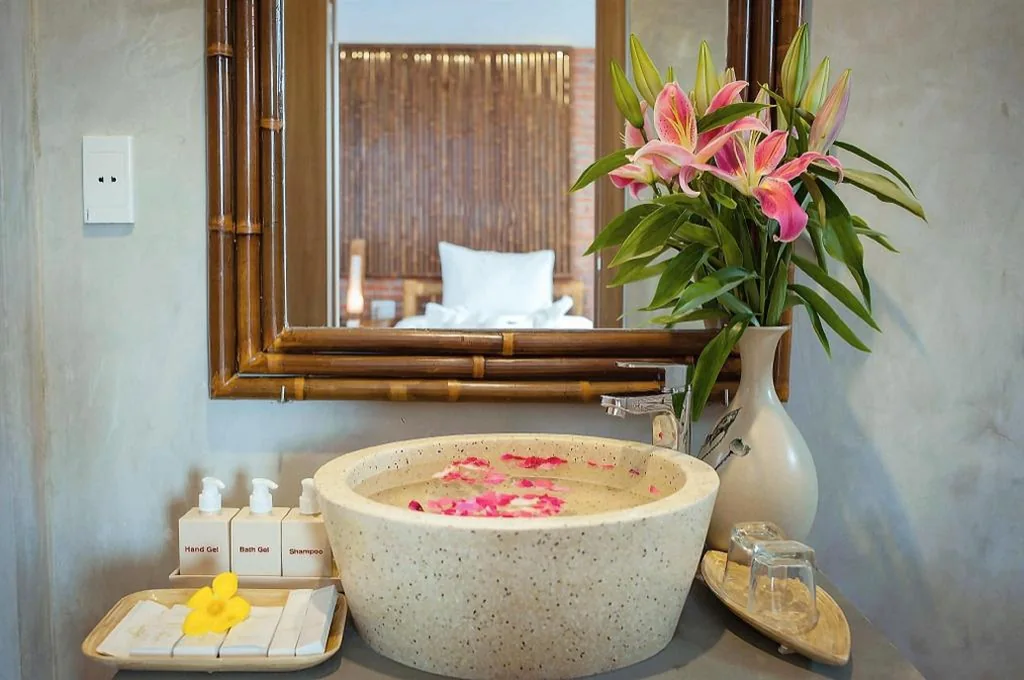
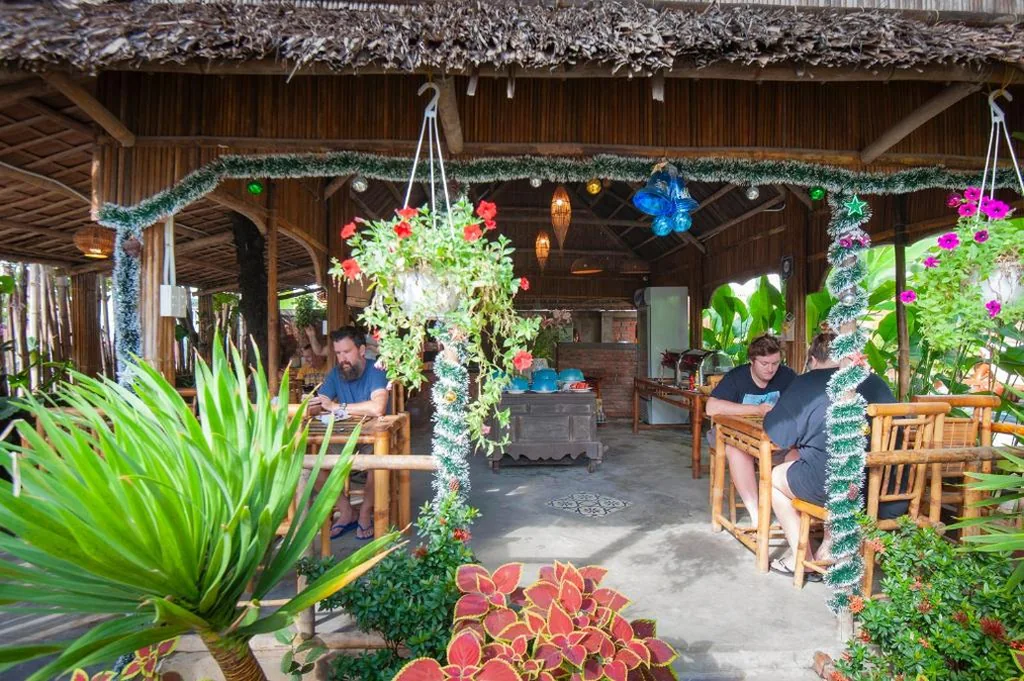
Guesthouse in Cam Thanh, Hội An, with an outdoor pool, an indoor pool, a garden and breakfast included, 2.2 km from Cua Dai Beach.
11 roomsfrom US$40 Show prices
Hội An is a small riverside town in central Vietnam, and it rewards a slower stay than most places on the coast. The old merchant quarter, with its wooden shophouses, assembly halls and yellow walls, sits on the Thu Bồn river, while the countryside starts almost at its edge: rice fields, herb gardens, canals lined with water palms and a long sandy beach a short bike ride away. The town has homestays run by families who serve breakfast in the courtyard, villas with pools between the paddies, old houses and small independent hotels, plus a few resorts closer to the sea. Some places put you a few steps from the lanterns of the old town; others are quiet enough to hear frogs at night, so the area you choose matters as much as the room.
Guesthouse in Cam Thanh, Hội An, with an outdoor pool, an indoor pool, a garden and breakfast included, 2.2 km from Cua Dai Beach.
The Quin Riverside Villa is a 5-star villa in the Cam Nam area of Hội An, with a swimming pool, a spa and sauna, a bar and a garden.
Dai An Phu Villa is a villa in the Cam An area of Hội An, 300 m from An Bang Beach, with an outdoor and an indoor pool, a spa and free parking.
A 4-star resort in Cam Thanh, Hội An, with an outdoor pool, a spa, restaurants and garden-view rooms and bungalows for two to five guests.
Little Hoi An . A Boutique Hotel & Spa is a 4-star hotel in the Minh An area of Hội An, with an indoor pool, a spa and free breakfast.
1–5 of 5 places
Hội An grew up as a trading port on the mouth of the Thu Bồn, and between the 15th and the 19th centuries ships from China, Japan and later Europe called here to trade silk, porcelain and spices. When the river silted up and trade moved to Đà Nẵng, the town was left more or less as it was. That is why Hội An Ancient Town became a UNESCO World Heritage Site: more than a thousand timber-framed buildings survive, among them shophouses, family chapels, Chinese assembly halls, a market and the small Japanese Covered Bridge.
It suits travellers who like to walk, eat well and stay a few nights rather than tick off a list. Food lovers come for the cao lầu noodles and the herbs grown just outside town, and many people combine a few days here with the beach. To walk into the old quarter you need a heritage ticket. It also lets you into a few old houses, halls and museums, and one ticket covers a stay of up to three days.
The weather shapes any trip. From February to April the air is warm and fairly dry, which makes these the most comfortable months. From May to August it gets hot and humid, with afternoon storms towards the end of summer. The rains arrive in September and are heaviest in October and November, when the Thu Bồn often bursts its banks. Most years the low streets by the river go under water for a day or two; in a bad year the floods come back several times and last longer, so keep your dates flexible if you travel then. December and January are cooler and grey, with showers.
If you can, plan around the full moon. On the 14th day of each lunar month the old town switches off much of its electric lighting in the evening and lights up with silk lanterns instead, and small paper lanterns with candles float on the river. It is busy, but it is the evening most visitors remember.
Staying inside or right next to the old town, in Minh An, Cẩm Phô or Sơn Phong, means you can walk out in the early morning before the day visitors arrive and come back for the lantern-lit evening. The price is noise: bars, music and boat sellers keep the river bank lively until late, and rooms facing the busiest streets can be loud. A street or two back from the water is usually a good compromise.
Cẩm Nam is the island across the bridge from the old town, quieter and more residential, yet still a few minutes on foot from the lanterns. Cẩm Châu, east of the centre, and Cẩm Thanh, towards the sea, are where the town turns into countryside. Here you cycle past rice paddies and fish ponds, and in Cẩm Thanh you reach the water palm forest where round bamboo basket boats paddle through the canals. Many villas with pools and family homestays are in these areas.
North of town, Trà Quế is a working village of herb and vegetable gardens, about 15 to 20 minutes by bike from the old quarter, and An Bàng beach lies a short ride further on. Cẩm An, near An Bàng, suits those who want the sea in the morning and the old town for dinner. Cửa Đại beach is further south-east. The land is flat, so a bicycle covers most of it; after dark or in the rain, take a taxi.
The homestay is the classic way to stay in Hội An. Usually a family lets a handful of rooms in their house or a building next to it, and breakfast is part of the deal: noodles, fruit, bánh mì or eggs, often served on a terrace. The welcome is personal, the hosts tend to help with bike routes, cooking classes or a tailor, and the rooms are simple but kept with care.
Out among the rice fields you will also find villas and small hotels built around a pool, with only a few rooms and plenty of green around them. In and near the old town there are small boutique hotels in renovated buildings and a few old merchant houses with wooden beams, tiled roofs and inner courtyards, where character matters more than space. Resorts are mostly towards the beaches.
A few practical points apply almost everywhere. Accommodation in Vietnam has to register foreign guests with the local authorities, so you will be asked for your passport at check-in; it is usually photographed or copied and handed back. Bicycles are often free for guests, which is worth checking, as they are the best way to get around. And if you plan to have clothes made by one of the town's many tailors, a stay of three or four nights leaves time for a fitting and any alterations.
Hội An has no airport or railway station of its own. The nearest airport is Đà Nẵng, about 30 kilometres north, with domestic and regional flights; the drive takes about 45 minutes, a little longer at rush hour or in heavy rain. Trains on the north–south line stop at Đà Nẵng station, which is also around 45 minutes away by car.
Hội An is a good base for exploring the rest of central Vietnam. The ruined Cham temples of Mỹ Sơn, also a UNESCO site, lie about an hour inland; go early, when it is cooler and quieter. Speedboats leave from Cửa Đại port for the Cù Lao Chàm islands, about 20 to 30 minutes away, a protected marine area good for snorkelling in calm seas. Huế is a day trip or a next stop: about two and a half to three hours by car through the tunnel, or a longer, slower drive over the Hải Vân Pass with its views of the coast.
In town, walking is the way to go. For much of the day and the evening the heart of the old quarter is closed to cars and motorbikes, so a taxi may have to leave you and your luggage at its edge. The lanes are short and flat. To reach the villages, the rice fields or the beach, rent a bicycle or borrow one from your hosts. For longer hops, taxis are easy to find.
It depends on how you want to spend your days. If you want to step out of the door into the old lanes and be back in your room within minutes, look at the old town and the streets around it, including An Hội and Cẩm Nam across the river. If you would rather wake up to green fields, have a pool and cycle into town for dinner, the villages east and north of the centre suit you better.
For walking and sightseeing, late winter and spring are the most pleasant, with little rain and lower humidity. Summer is busy with families and beach trips, but the midday heat is heavy, so plan your walks for early morning and evening. From mid-October to late November the river often spills into the lowest streets, usually for two or three days, so keep a day or two spare in your plans.
Both are about 30 kilometres away, and the easiest way is by car: a metered taxi, a ride booked through a ride-hailing app or a transfer arranged by your hosts. The trip takes 45 minutes to an hour. A cheap public bus also runs from the airport, but it stops at Hội An bus station, a short taxi ride from the old town, so it suits light luggage best.
Two full days are enough to see the old town and get out once on a bike to the fields or the beach. Three or four nights feel more relaxed: you can add a day trip, a cooking class or a beach afternoon and still have slow evenings. Many people stay longer and use the town as a base for day trips around central Vietnam.
Evening is the liveliest time. The lanterns come on at dusk, small boats carry visitors along the river and the night market sets up in An Hội, just across the bridge. Buy the heritage ticket before you go in, even if you only go for dinner, and keep it with you: it can be checked at the entry points of the pedestrian zone. The busiest hours are just after dusk, so an early or late walk is calmer.