9.8Exceptional 2,195 reviews
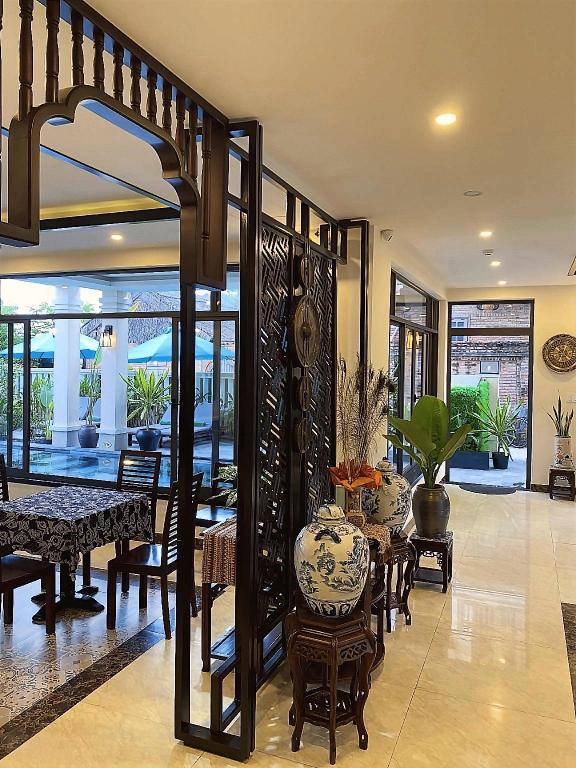
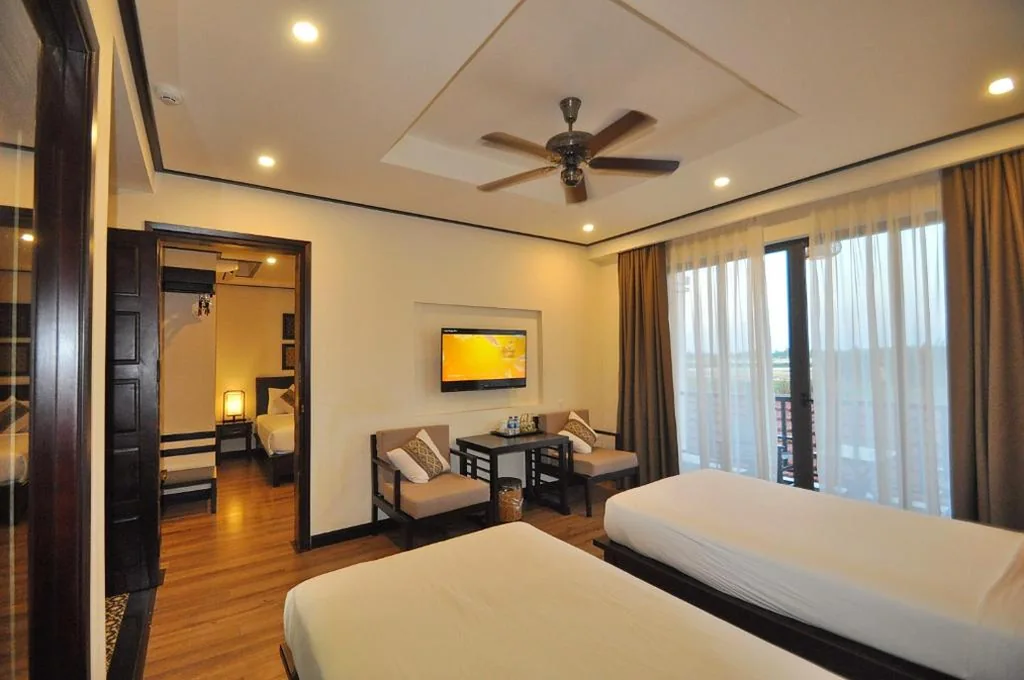
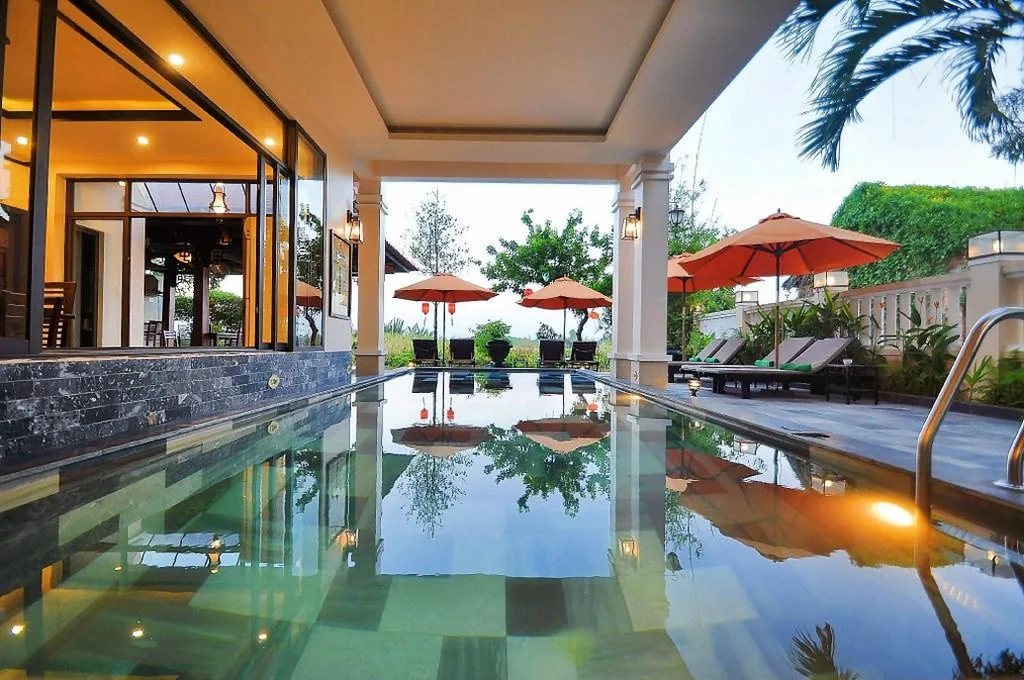
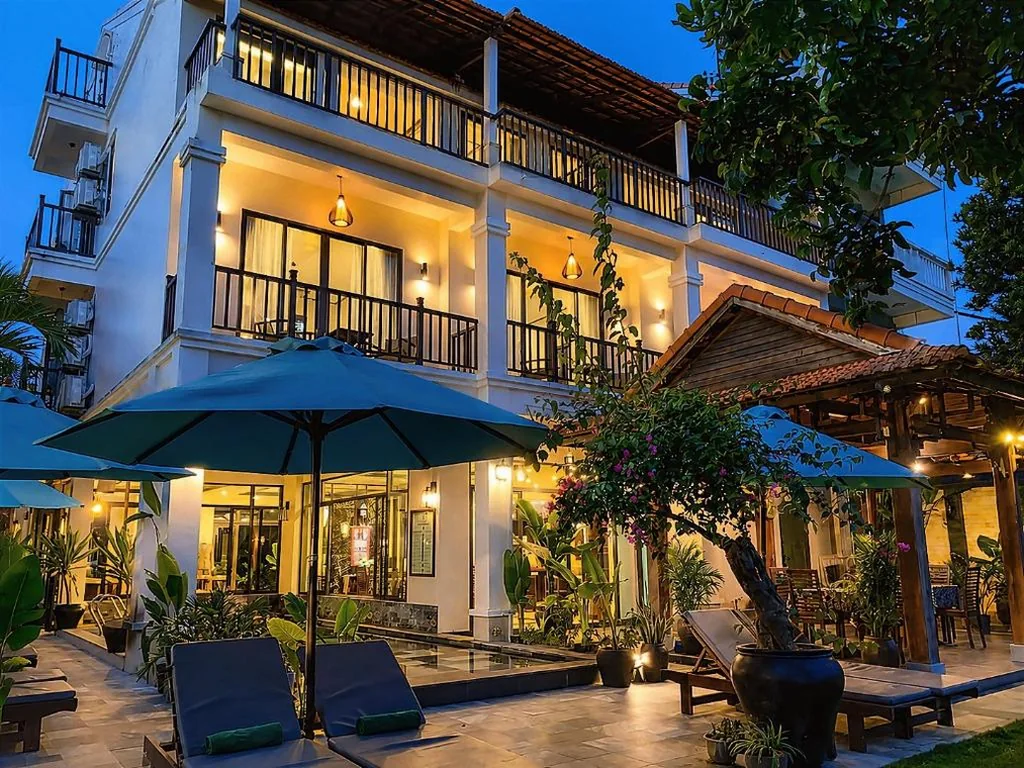
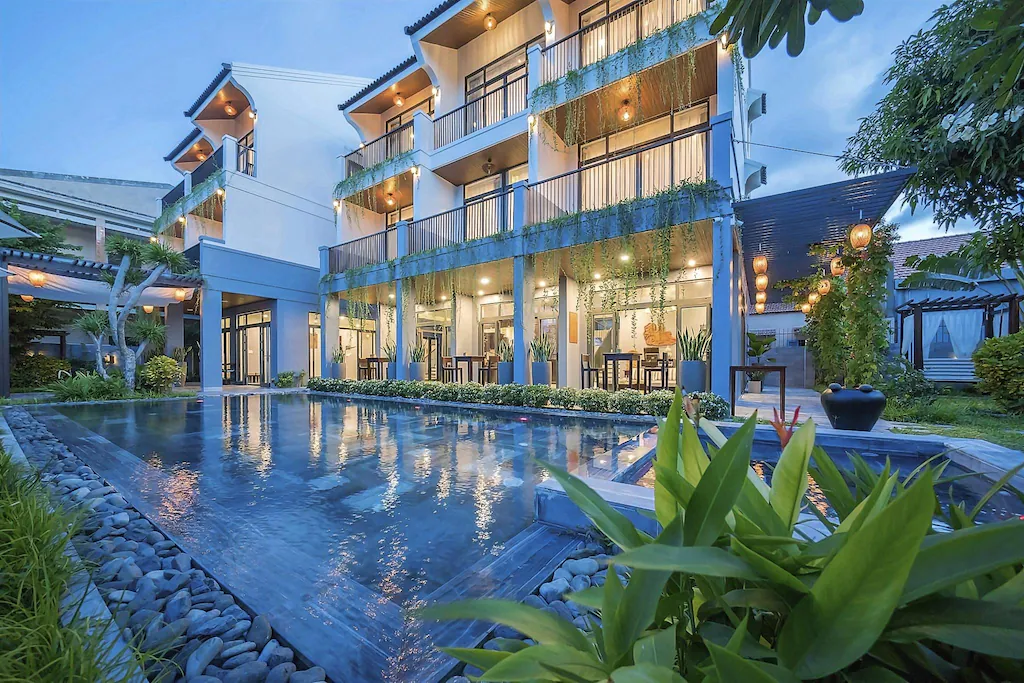
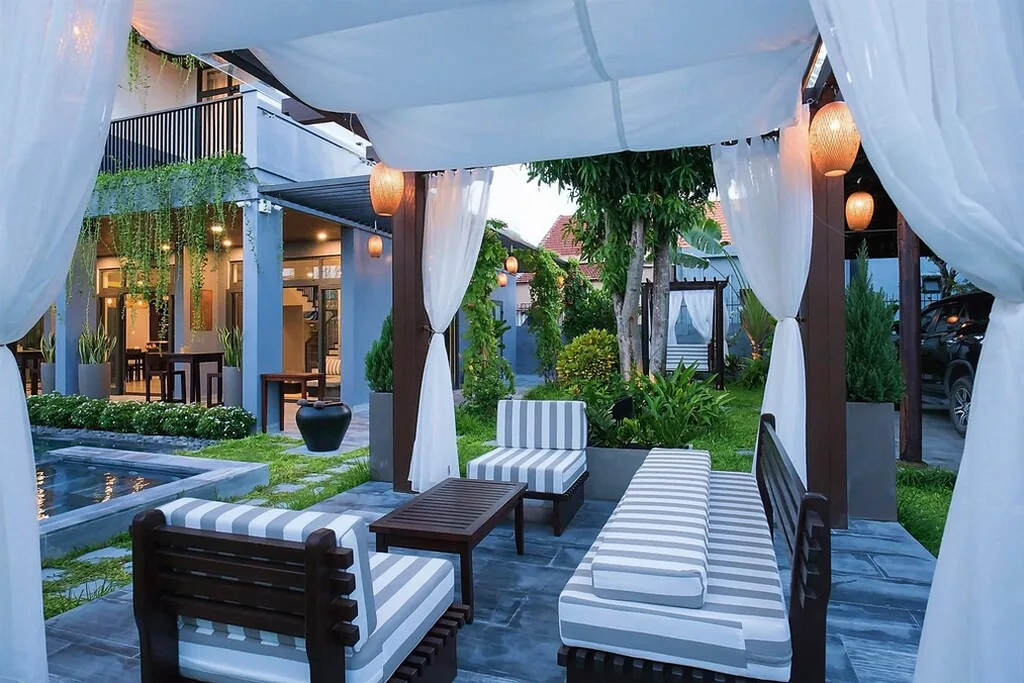
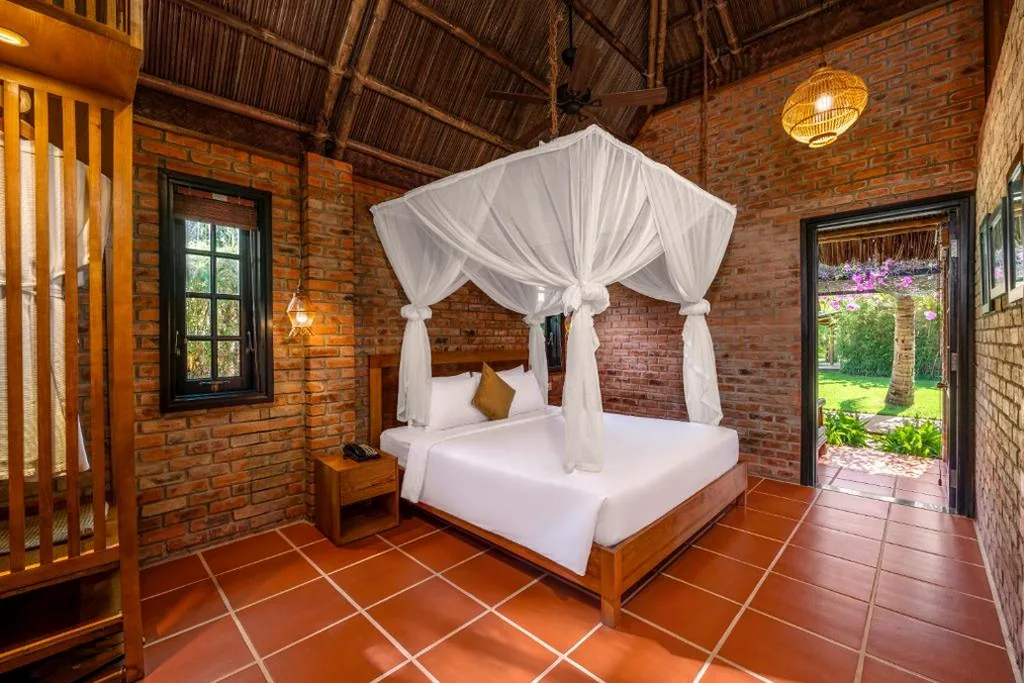
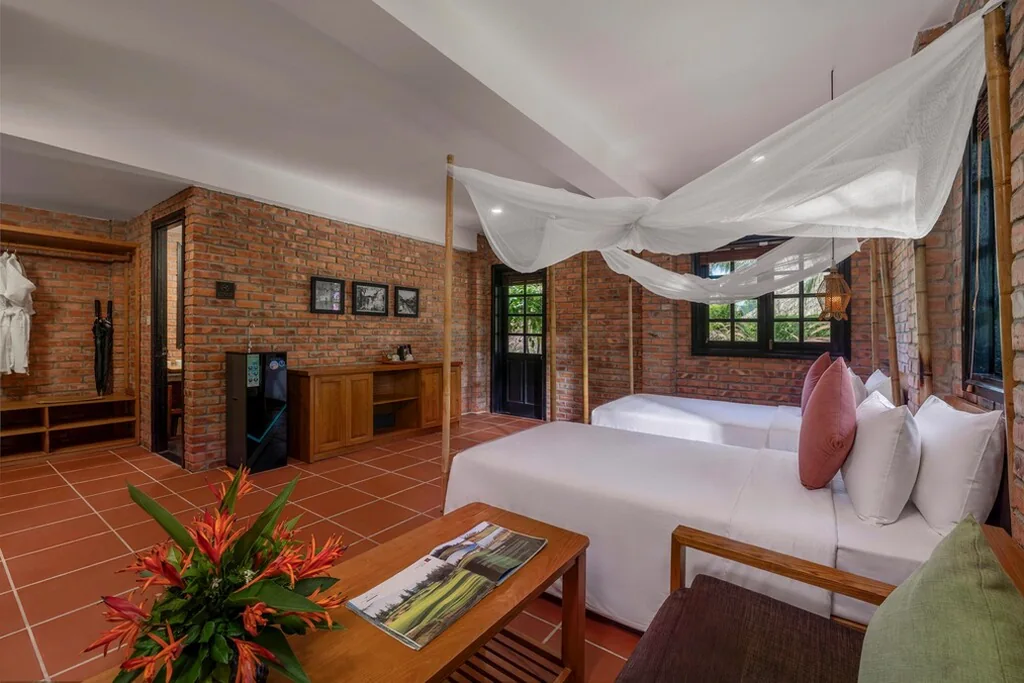
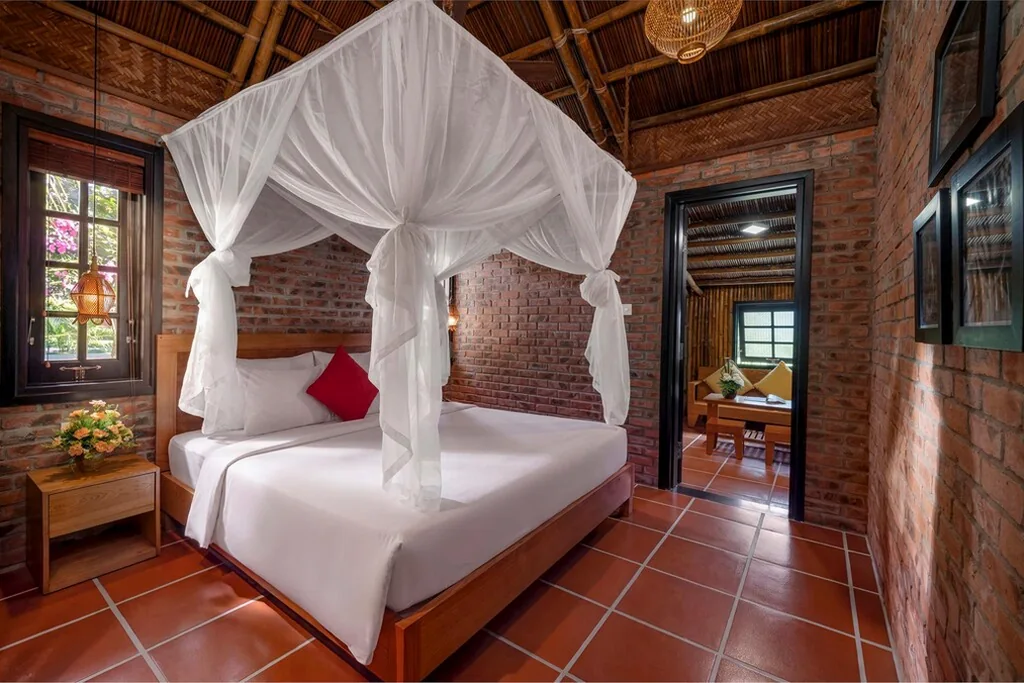
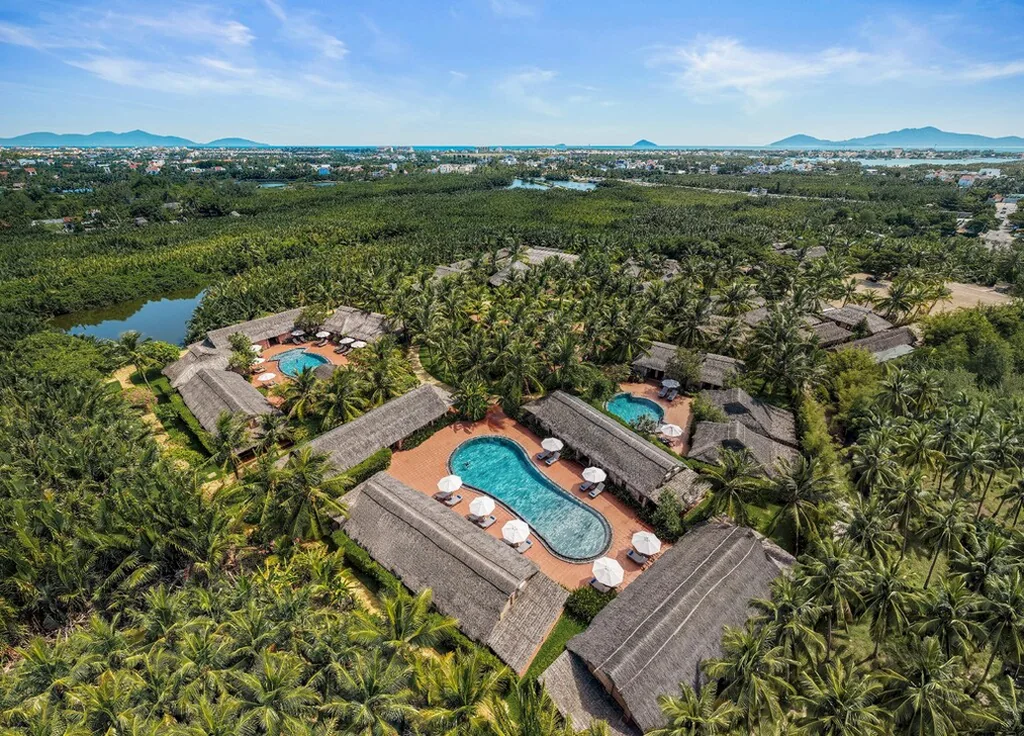
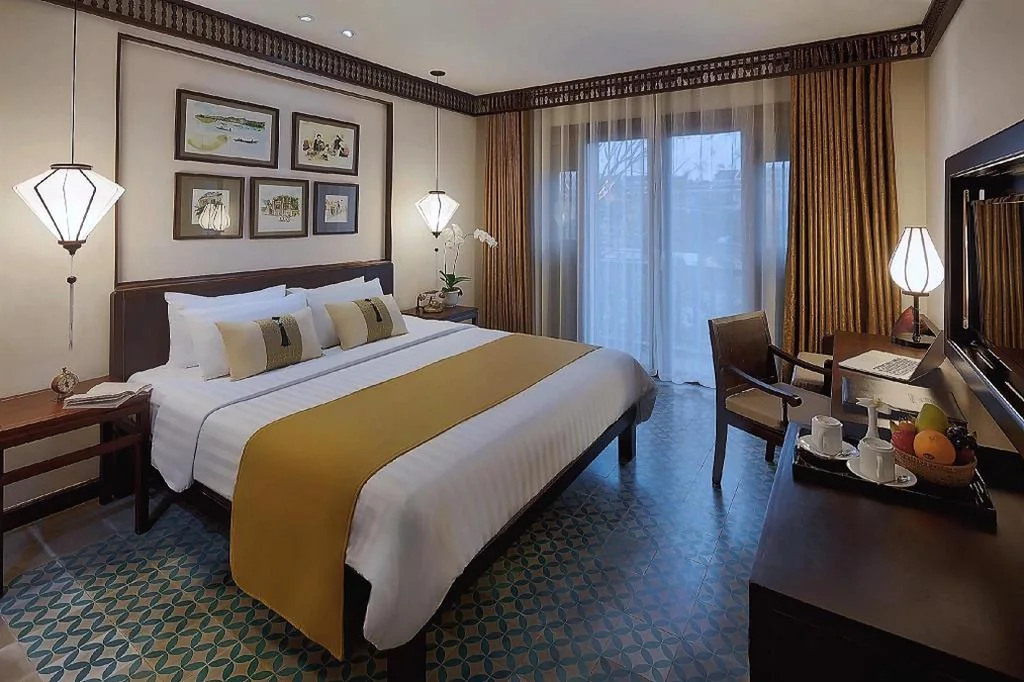
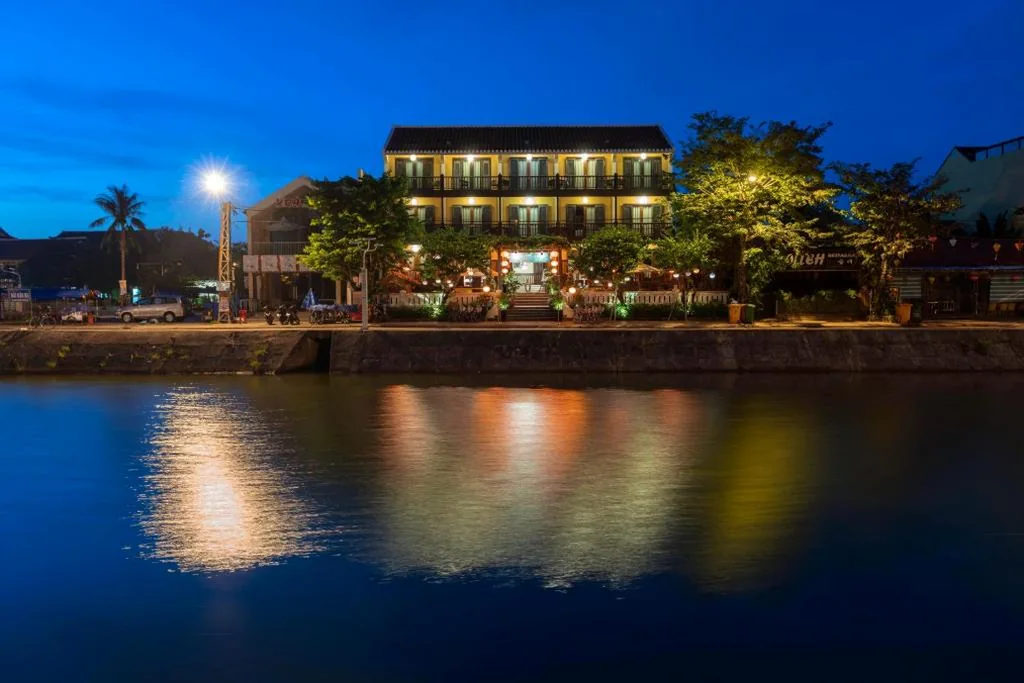
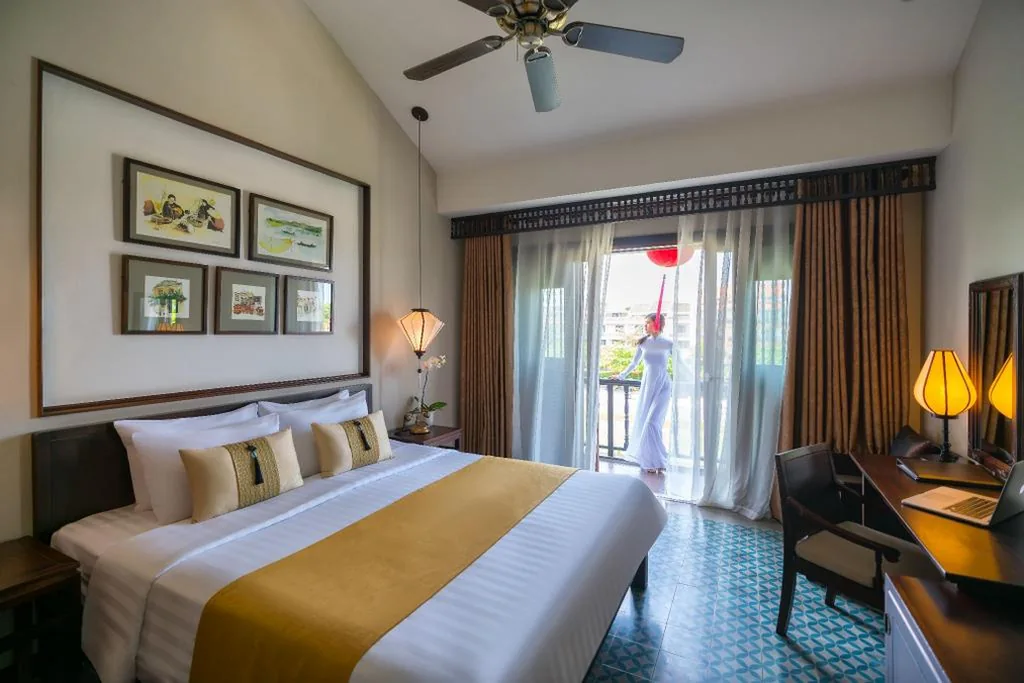
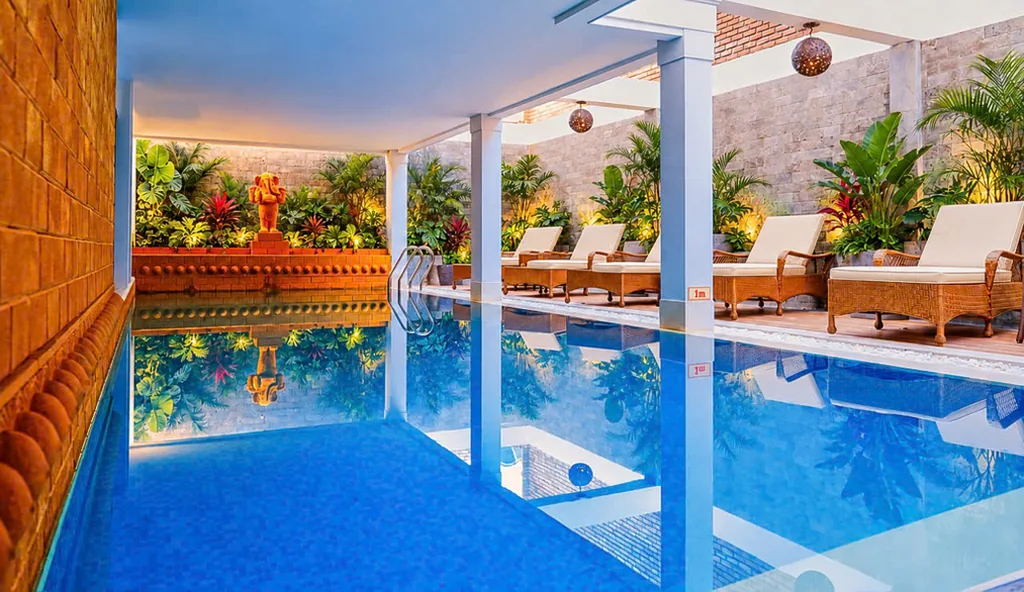
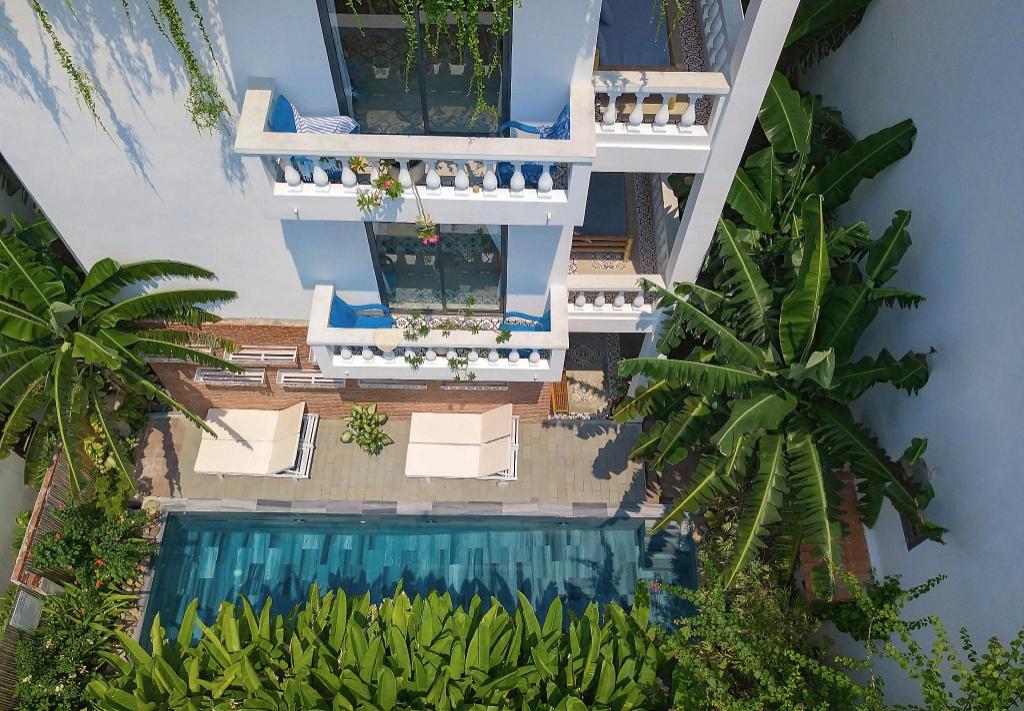
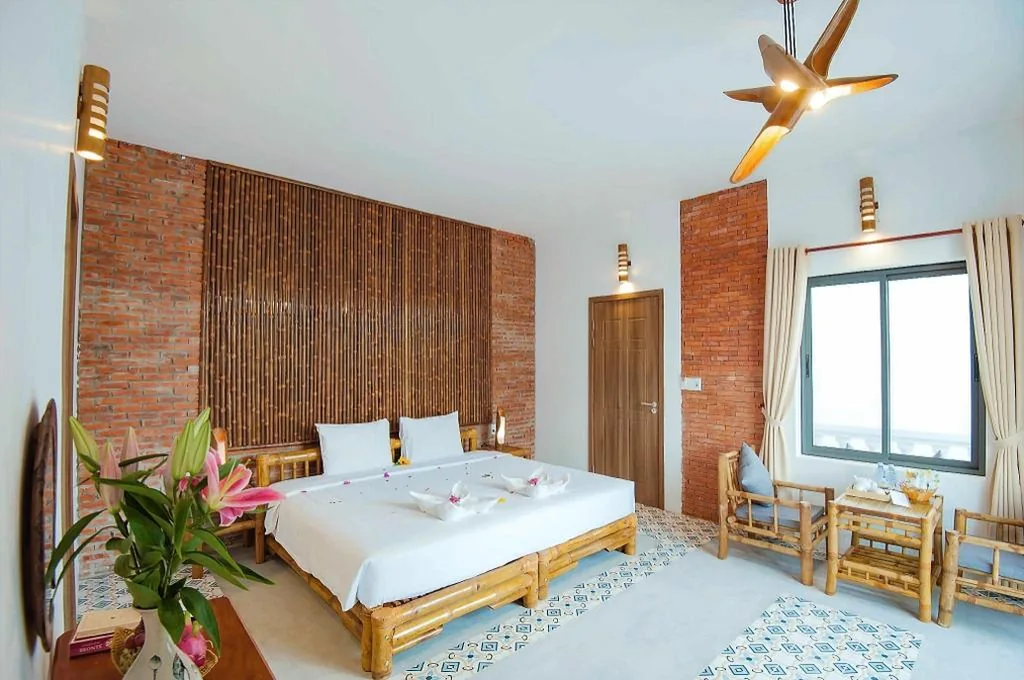
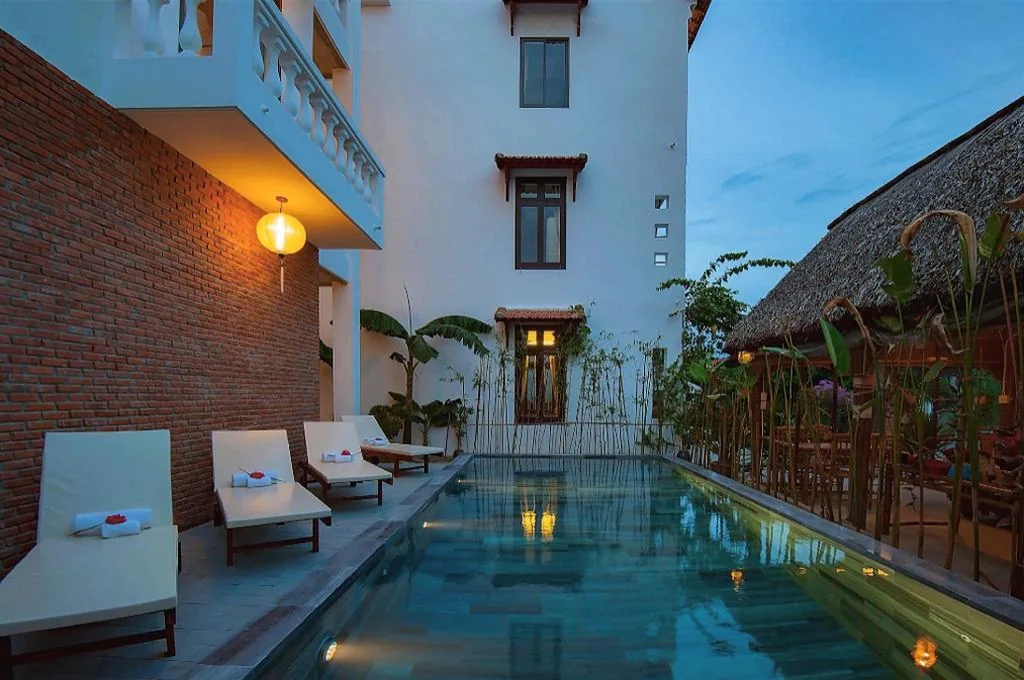
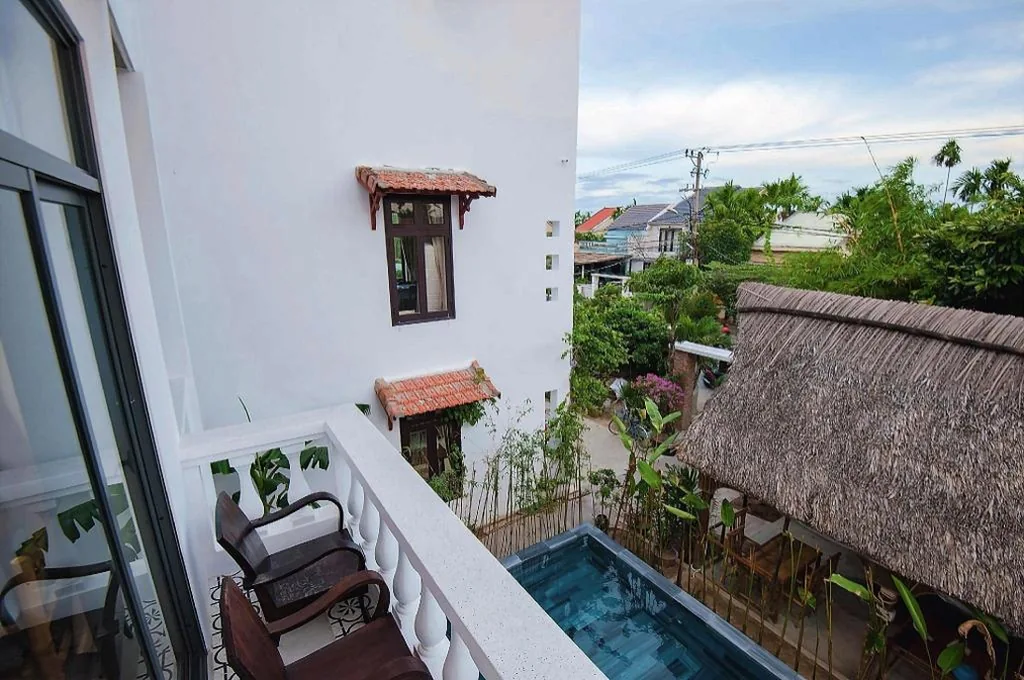
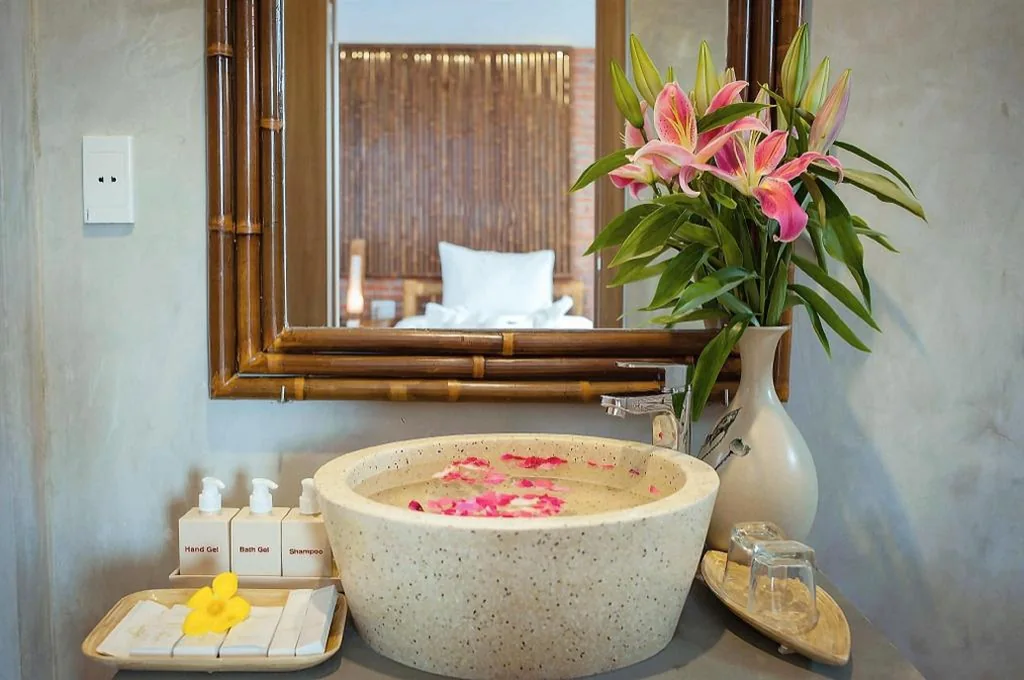
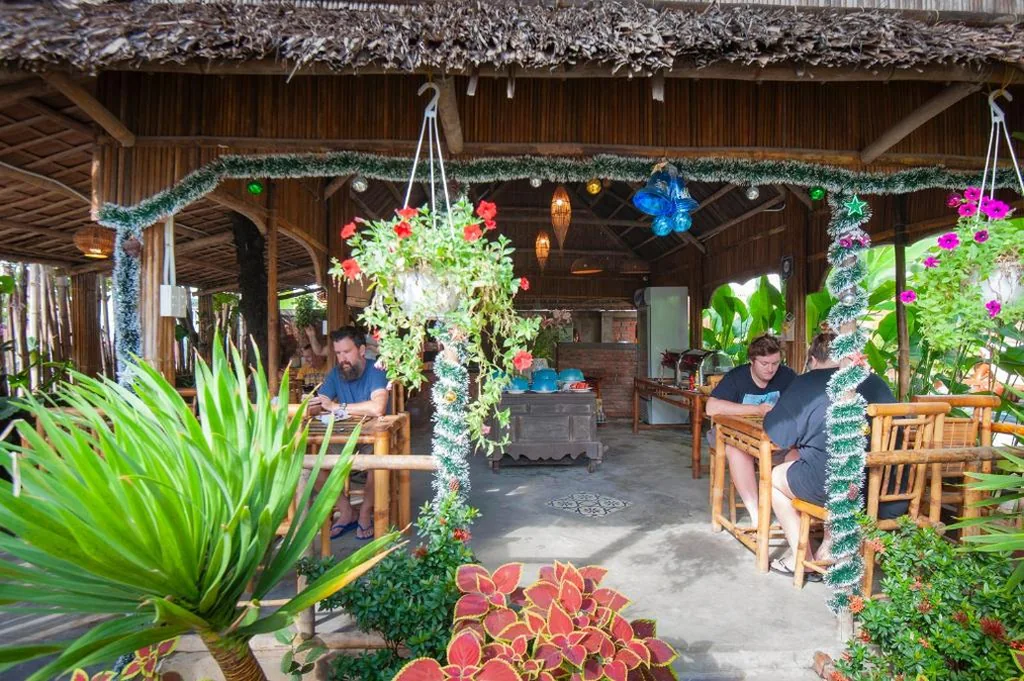
Guesthouse in Cam Thanh, Hội An, with an outdoor pool, an indoor pool, a garden and breakfast included, 2.2 km from Cua Dai Beach.
11 roomsfrom US$40 Show prices
Central Vietnam is the long, narrow middle of the country, squeezed between the Trường Sơn mountains and the South China Sea. It is where much of Vietnam's history sits in one stretch of coast: the old imperial capital of Huế, the merchant streets of Hội An, the brick sanctuaries of Mỹ Sơn left by the Cham kingdoms, and the vast limestone caves of Phong Nha-Kẻ Bàng. Between them lie fishing villages, rice fields, lagoons and some of the country's best beaches, from Đà Nẵng down to Quy Nhơn and Nha Trang, while the cool highland town of Đà Lạt and the dunes of Mũi Né mark the southern edge. The places to stay here suit slow travel: family homestays with breakfast on the porch, old houses turned into guesthouses, villas among the paddies and small independent hotels run by people who know their town well.
Guesthouse in Cam Thanh, Hội An, with an outdoor pool, an indoor pool, a garden and breakfast included, 2.2 km from Cua Dai Beach.
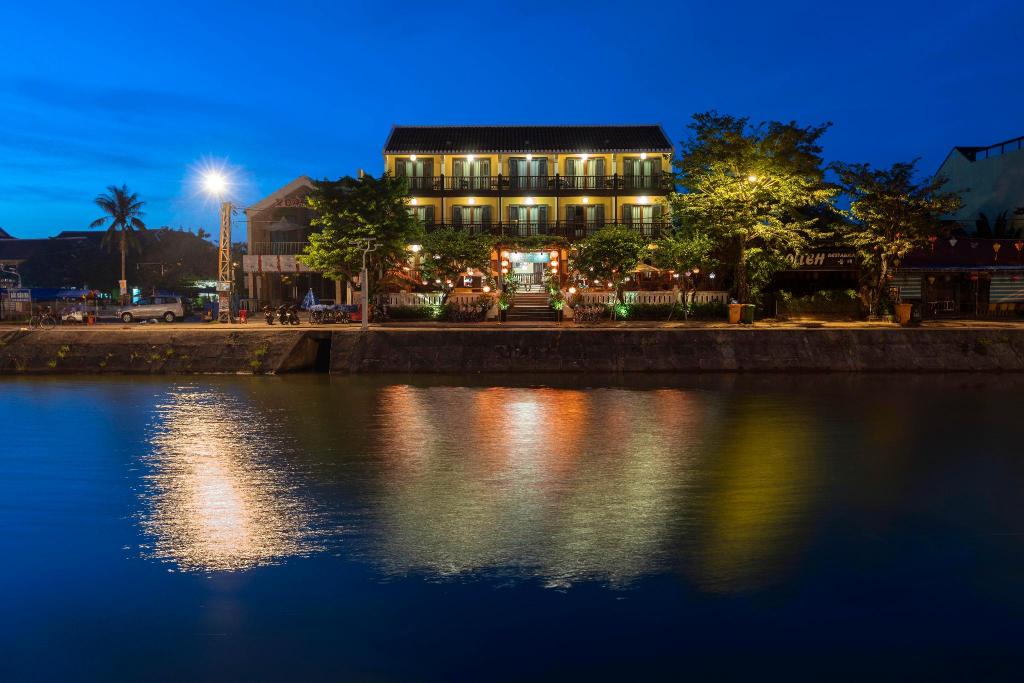
The Quin Riverside Villa is a 5-star villa in the Cam Nam area of Hội An, with a swimming pool, a spa and sauna, a bar and a garden.
Dai An Phu Villa is a villa in the Cam An area of Hội An, 300 m from An Bang Beach, with an outdoor and an indoor pool, a spa and free parking.
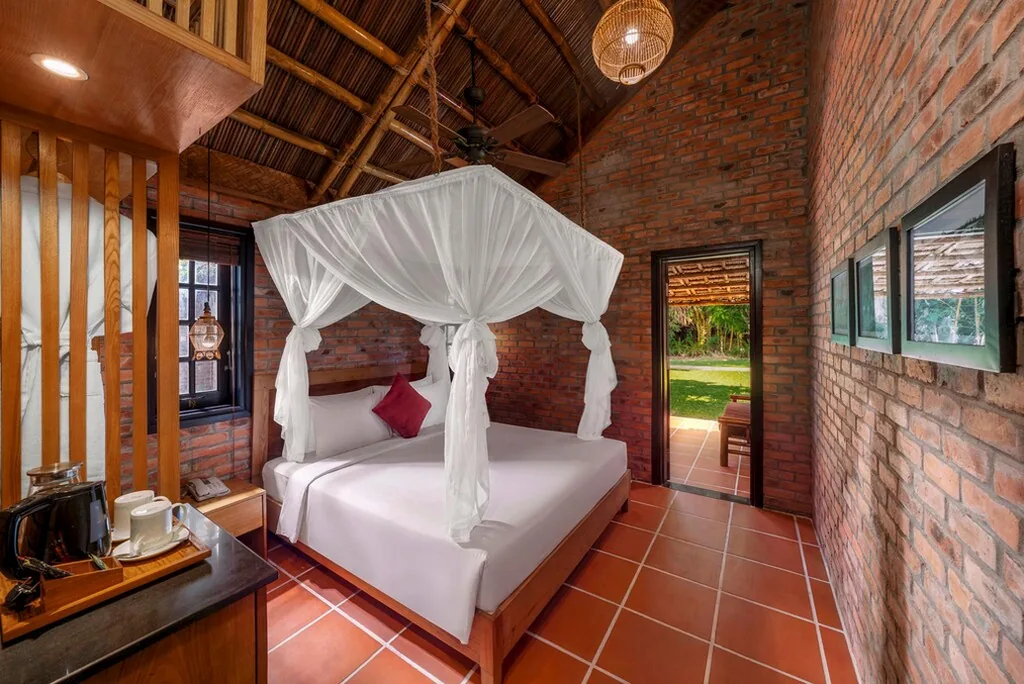
A 4-star resort in Cam Thanh, Hội An, with an outdoor pool, a spa, restaurants and garden-view rooms and bungalows for two to five guests.
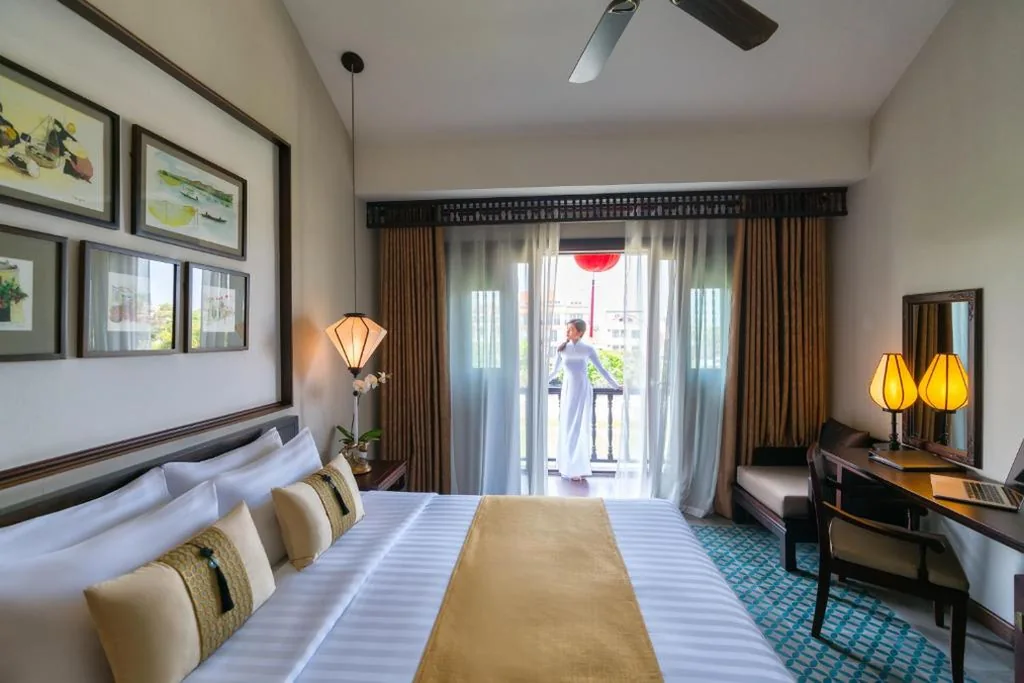
Little Hoi An . A Boutique Hotel & Spa is a 4-star hotel in the Minh An area of Hội An, with an indoor pool, a spa and free breakfast.
1–5 of 5 places
The centre of Vietnam runs for more than a thousand kilometres along the coast, and in many places the mountains come down almost to the sea. That narrow strip was the heart of the Nguyễn dynasty, the last royal house, which ruled from Huế, and long before that the land of the Cham, whose red brick towers still stand in Mỹ Sơn and around Quy Nhơn. Several of the country's UNESCO World Heritage sites are here, among them the Complex of Huế Monuments, Hội An Ancient Town, Mỹ Sơn Sanctuary and Phong Nha-Kẻ Bàng National Park.
The weather works differently from the north and the south, and it is the single most useful thing to understand before you plan. On the central coast the wet season comes late, roughly from September to December, with the heaviest rain and the risk of typhoons in October and November. Rivers such as the Thu Bồn at Hội An and the Perfume River at Huế can break their banks, and low streets may sit under water for a day or two. Roads and trains can be delayed, so leave a spare day or two between stops at that time of year.
From about February to April the coast is dry, sunny and pleasantly warm, which makes it the easiest time for sightseeing. May to August is hot, often very hot, but good for the beaches. Further south the pattern shifts again: Mũi Né is one of the driest places on the coast all year, and Nha Trang is dry for most of the year, though October and November can be wet there too, while Đà Lạt, at about 1,500 metres, stays mild all year, with its own rainy season from May to October and cold nights in winter.
Most people spend their time on the stretch between Huế and Hội An. Hội An suits travellers who want to walk everywhere, cycle out to the fields and eat well in the evening; the neighbourhoods of Hội An range from the lantern-lit old town to quiet villages among the paddies. Đà Nẵng, about 45 minutes up the road, is a modern city with a long urban beach, the main airport and a lively food scene, better for people who like a bit of city life.
Huế deserves at least two nights. Staying close to the citadel or on the south bank of the Perfume River puts you within reach of the Imperial City, the pagodas and the royal tombs scattered along the river. Further north, the village of Phong Nha is the gateway to the national park and its caves; it is small and quiet, with guesthouses and homestays among the fields and karst hills rather than big hotels.
South of Hội An the coast gets quieter. Quy Nhơn is a working port town with a long city beach, Cham towers and coves on the nearby peninsula, and far fewer foreign visitors than Nha Trang, which has the busiest beach scene and the biggest choice of places to stay. In the hills, Đà Lạt is a cool change from the coast, with pine forests, lakes and coffee farms. Mũi Né, a long strip of beach east of Phan Thiết, is known for its sand dunes and its wind, which draws kitesurfers for much of the dry season.
Across the centre the family homestay is one of the most common small places to stay, and in Huế, Phong Nha and the villages around Hội An it is often the most rewarding: a tall, narrow town house or a cottage among the fields, the family living downstairs and hosts who are happy to help with buses, boats and tours. In Phong Nha many sit by the river or among the karst hills, a short ride from the national park.
Huế has its own kind of old house: the garden houses of the old quarters around the citadel, traditional homes with fruit trees, ponds and wooden pavilions, some of which now take guests. Along the beaches from Đà Nẵng to Quy Nhơn and Nha Trang the choice moves towards small independent hotels with a rooftop or a pool and low-rise resorts with gardens running down to the sand. Đà Lạt is different again, with French-era villas and guesthouses among the pines, where a warm blanket matters more than air conditioning.
A few practical habits are worth knowing. Town houses are often narrow and steep, and lifts are rare in smaller buildings, so ask if stairs are a problem. Rooms facing the street or a beach bar can be lively at night, while those at the back are quieter. In the rainy months, if you stay near a river in Hội An or Huế, a room on an upper floor is the sensible choice.
The main gateway is the international airport at Đà Nẵng, which has frequent flights from Hà Nội and Hồ Chí Minh City. From there Hội An is about 45 minutes by car and Huế around two and a half hours through the Hải Vân tunnel. Smaller airports serve Huế, Đồng Hới for Phong Nha, Quy Nhơn, Nha Trang and Đà Lạt, so you can fly in at one end of the region and out at the other without backtracking.
The Reunification Express, the railway line between Hà Nội and Hồ Chí Minh City, runs the full length of the centre, stopping at Đồng Hới, Huế, Đà Nẵng, Diêu Trì for Quy Nhơn, Nha Trang and Phan Thiết. Sleeper berths make the longer legs comfortable overnight. The short stretch between Huế and Đà Nẵng is often called the most scenic of the whole line, hugging the coast below the mountains; on the way south the sea is on the left.
Road travellers between Huế and Đà Nẵng choose between the tunnel, which is quick, and the Hải Vân Pass, about 20 kilometres of bends over a headland with views of the bay and the lagoon at Lăng Cô. Motorbikes must take the pass, and many people hire a car with a driver to stop at the top. Within towns, taxis and ride-hailing apps are easy to use, and bicycles are the best way to explore Hội An's fields, Huế's river and the villages in between.
The centre follows its own calendar. Hà Nội gets most of its rain in summer and Hồ Chí Minh City from May to November, while the coast around Huế, Đà Nẵng and Hội An is wettest from September to December. Late winter and spring are the safest choice here, and March and April suit a trip across the whole country. Summer is hot and mostly dry, good for the sea, and around Nha Trang the dry season lasts longer.
Huế and Đà Nẵng are about 100 kilometres apart and there are no flights, so you go by road or rail. Through the Hải Vân tunnel a car or shared minivan takes about two and a half hours, the coastal train a little longer, and the pass with stops most of a day. Hội An has no railway: take the train to Đà Nẵng and a taxi on, or go by road the whole way, about three hours from Huế.
For Huế and Hội An, allow five or six days: two nights in Huế, three or four in Hội An, and part of a day on the road between them. With a week to ten days you can add the caves of Phong Nha, about four hours north of Huế by road, or a few lazy beach days. Quy Nhơn, Nha Trang and Đà Lạt are further south and easier as a separate leg, by plane or night train.
Choose Hội An if you want a small, walkable town and quiet evenings, and Đà Nẵng if you need a big-city base: more places open late, a wider choice of rooms and an easy start for an early flight or the train to Huế. They are under an hour apart by car, so many travellers sleep in Hội An and spend a day in Đà Nẵng, or the other way round.
You can, but plan with slack. Heavy rain can flood riverside streets in Hội An and Huế, landslides can close the Hải Vân Pass for a day or more, and trains may run many hours late. Leave two or three spare days between stops, follow local forecasts and stay put during a storm rather than racing ahead of it. Check your travel insurance too, as standard policies often exclude flooding.